Bomber is iconic, aging warhorse: Probe of fatal crash could influence its future | Jefferson City News-Tribune
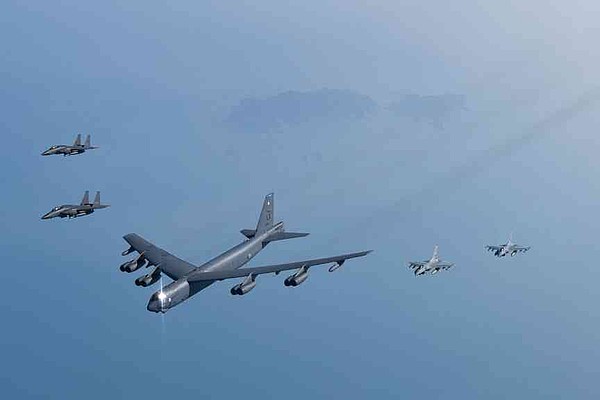
The B-52 Stratofortress, an iconic aging warhorse in U.S. military history, faces renewed scrutiny after a fatal crash at Edwards Air Force Base that killed eight people. An Interim Safety Investigation Board has been convened to determine the cause of the loss, while questions about the fleet's longevity grow as the Air Force modernizes its heavy bomber mission. The bomber first flew in the 1950s and has long been central to U.S. capabilities and conflicts, including the war with Iran. The incident underscores how a seven-decade-old platform remains in service amid rapid changes in military technology.
Aging aircraft and modernization intersect as the service tests a newer radar system and updates 1960s-era engines on the B-52. Experts such as Douglas Birkey of the Mitchell Institute warn that equipment bought during the Cold War is aging and may stress structural integrity, while Ross Aimer emphasizes that disciplined upgrades can extend an airframe’s life if failures are avoided. Edwards Air Force Base officials say the crash remains under internal investigation, with evidence gathering and witness interviews in progress, and a military equivalent of a black box on board.
The incident is likely to trigger a broader fleet-wide review of aging bombers and upgrade timelines, even as officials insist the B-52 will continue to operate into the mid-century. It highlights the tension between sustaining a proven platform and pursuing modernization, underscoring why the Air Force has long labeled the B-52 the backbone of its manned bomber fleet while pursuing radar, propulsion, and structural improvements to keep it viable through 2050 and beyond.
 xCruzo