FAA Moves To End America's 50-Year Supersonic Flight Ban So Boomless Jets Can Fly Over Land
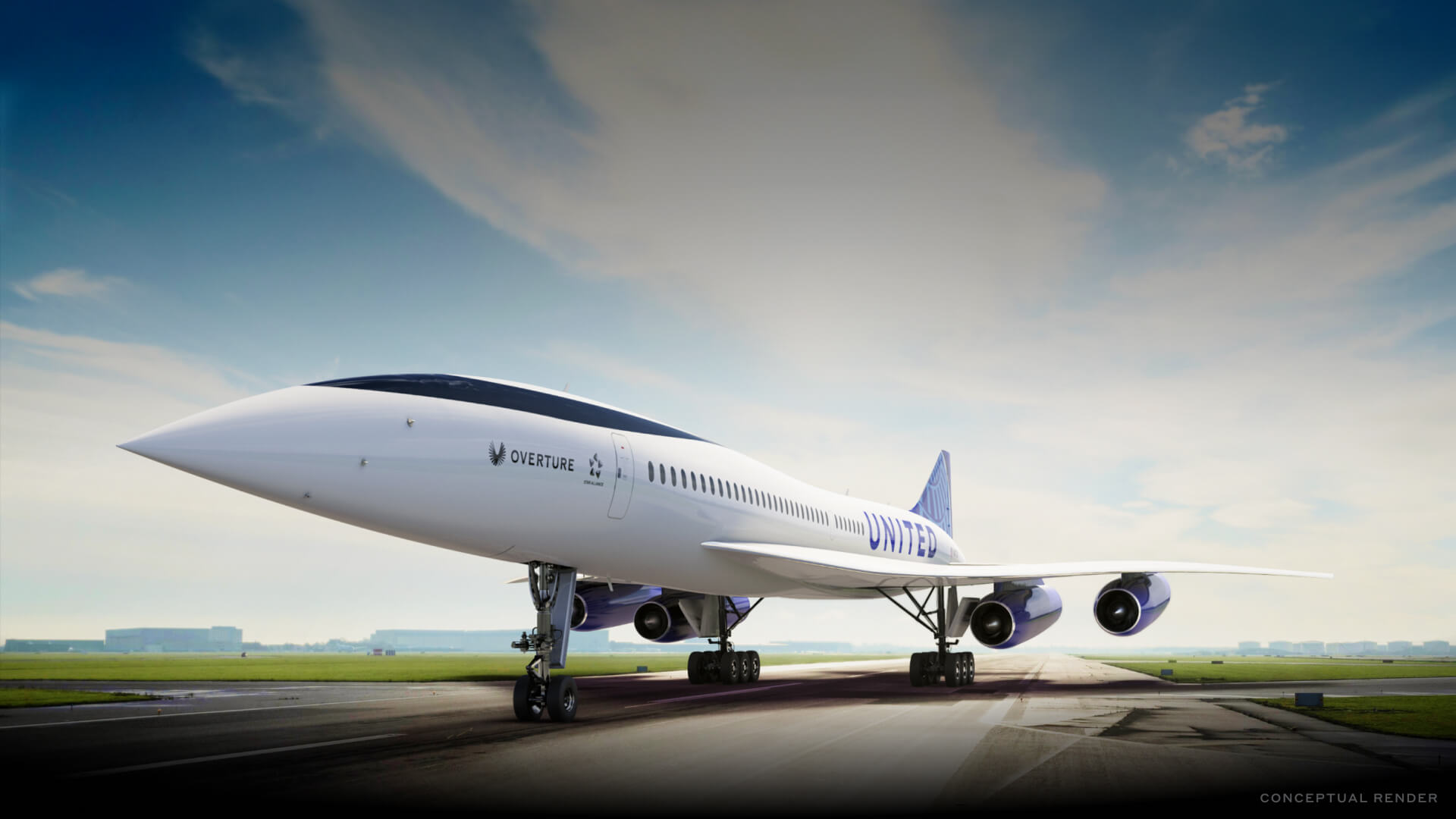
The FAA has proposed a rulemaking to end the U.S. ban on supersonic flight over land that has been in place since the 1970s, aiming to permit faster-than-sound operations without creating ground sonic booms. The agency says the focus is not to revive Concorde, but to create a legal pathway for aircraft that can demonstrate they do not generate booms at the surface. Under current rules, speeds above Mach 1 over land are illegal regardless of whether a boom is heard. The FAA’s proposal would allow “boomless cruise” if surface pressure remains at or below 0.11 pounds per square foot. Authorization restrictions began in 1973 to protect people on the ground, with tightened limits for Concorde in 1978. The change could affect developers such as Boom and Hermeus, though the article notes challenges remain, including expensive engine development and limited route maps. Further rulemakings on landing and takeoff noise are expected later.
 xCruzo