How Airbus Fixed The A350's Cracking Problem Without A Fleet-Wide Grounding
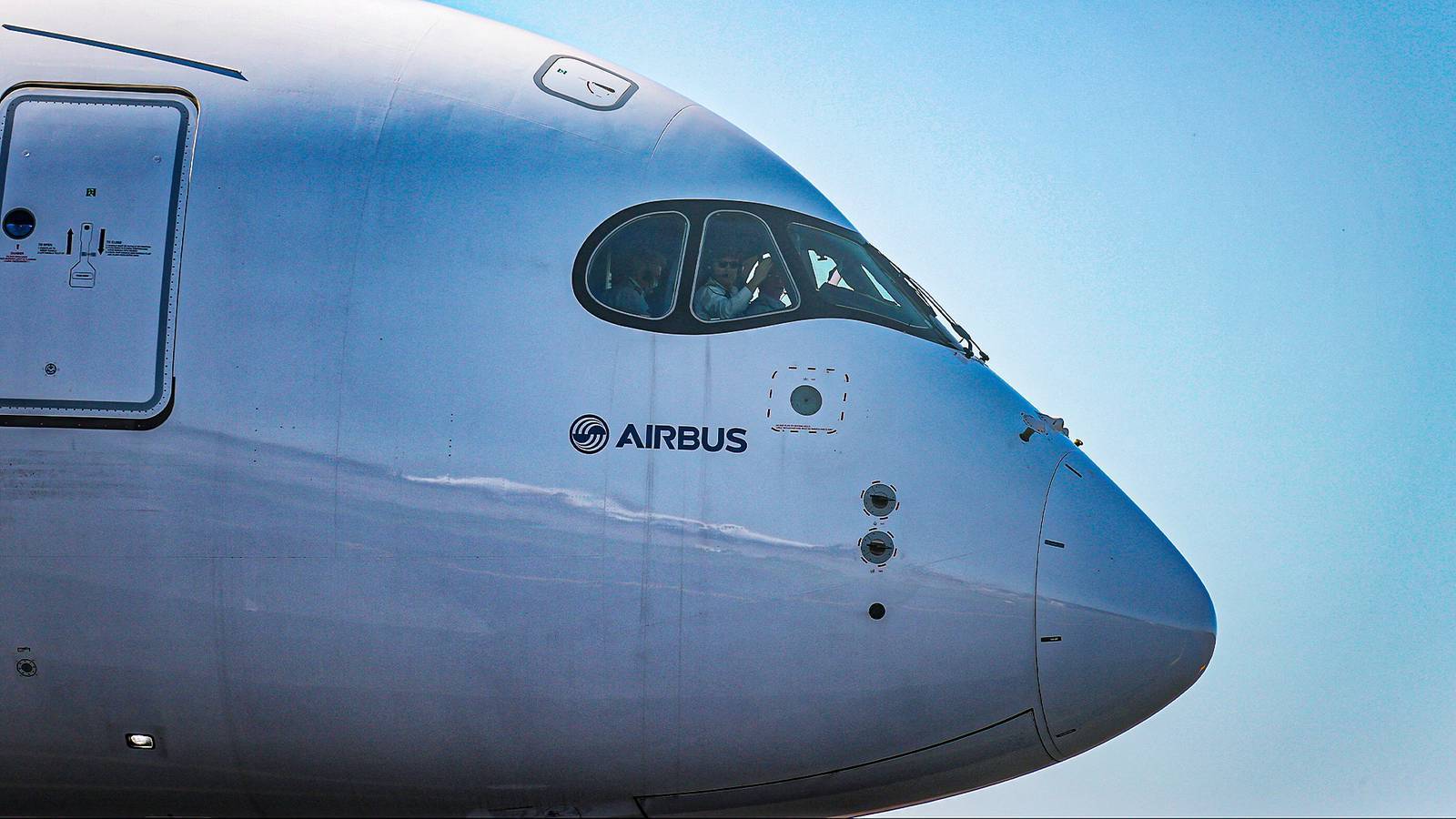
How Airbus fixed the A350’s cracking problem without a fleet-wide grounding reflects the challenge of qualifying new composite-aircraft materials while keeping aircraft in service. Reports of localized surface degradation on the Airbus A350 triggered intense public and legal scrutiny over composite airliner long-term airworthiness. Airbus addressed the issue by making targeted material adjustments to manage stress at interfaces between dissimilar layers. The problem was linked to carbon-fiber reinforced polymer’s low thermal expansion versus exterior coatings and expanded copper foil used for lightning protection. Rapid temperature swings—such as a departure from 110°F (43.3°C) and climb to about -65°F (-53.9°C)—can create shear forces that exceed paint limits. Non-destructive testing indicated cracking, flaking, and blistering stayed restricted to superficial exterior layers and did not affect the underlying carbon-fiber fuselage structure.
 xCruzo