How The F-22's F119 Engine Solved 3 Problems The Industry Called Mutually Exclusive
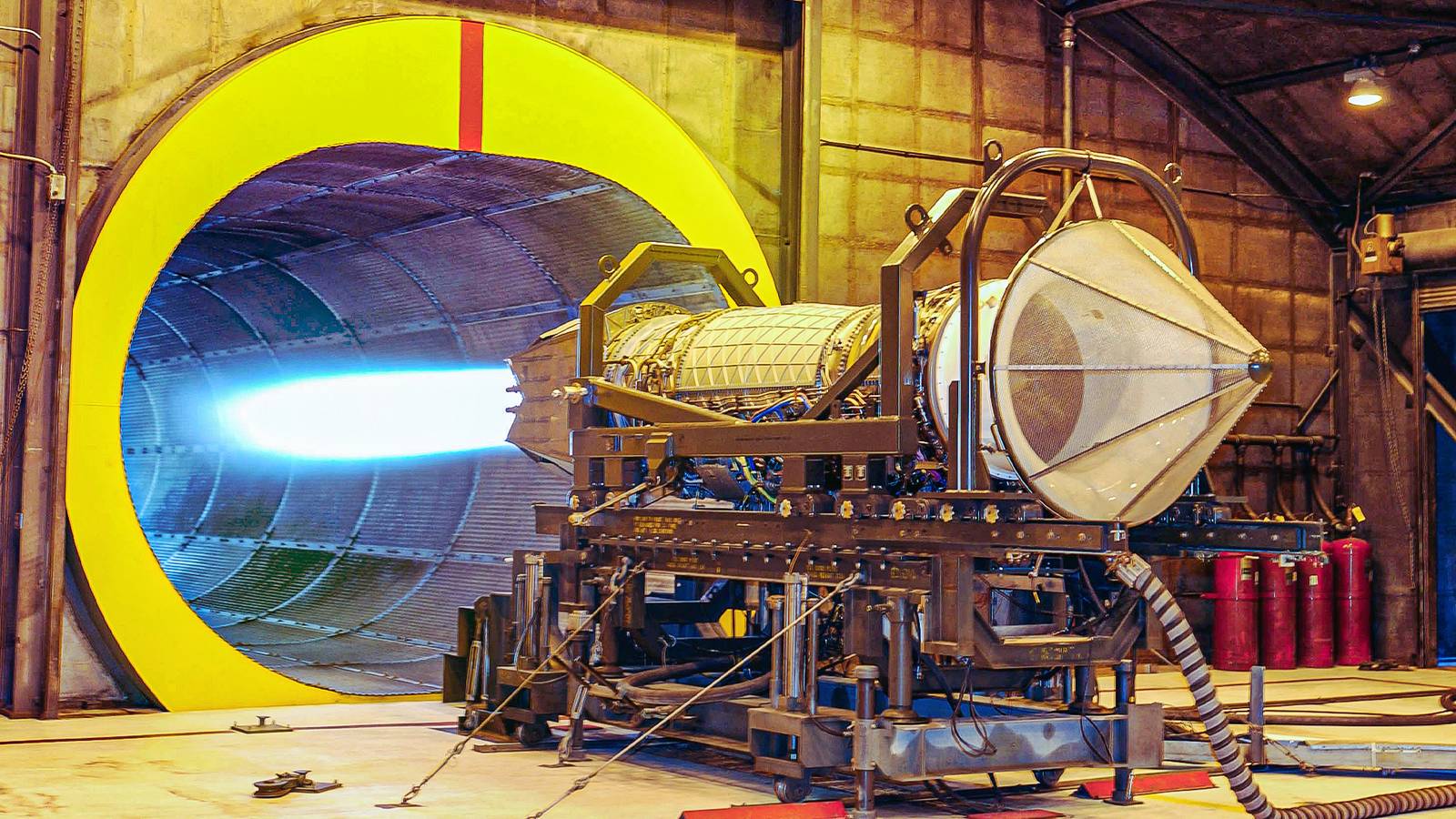
The F-22 Raptor’s F119 engine is presented as a solution to multiple engineering requirements that the defense industry described as difficult to achieve simultaneously. The article recalls that the F-22 was developed as a generational leap over the F-15 Eagle, under the Advanced Tactical Fighter program started in 1981 and entering service in 2005. The U.S. Air Force selected the Pratt & Whitney YF119, choosing it over the YF120 despite the competing engine’s potential capabilities because of risk considerations. The history is described as a pair of parallel competitions: one for the aircraft by Lockheed and Northrop, and one for engines by Pratt & Whitney and General Electric, with prototype engines YF119 and YF120 evaluated alongside demonstrators. Requirements discussed include sustaining supersonic cruise without afterburners, reduced infrared signatures, higher thrust, reliability, fuel economy, and compatibility with thrust-vectoring nozzles. The article also notes a conservative Pratt & Whitney approach, using an advanced fixed-cycle low-bypass turbofan design rather than a completely new cycle.
 xCruzo