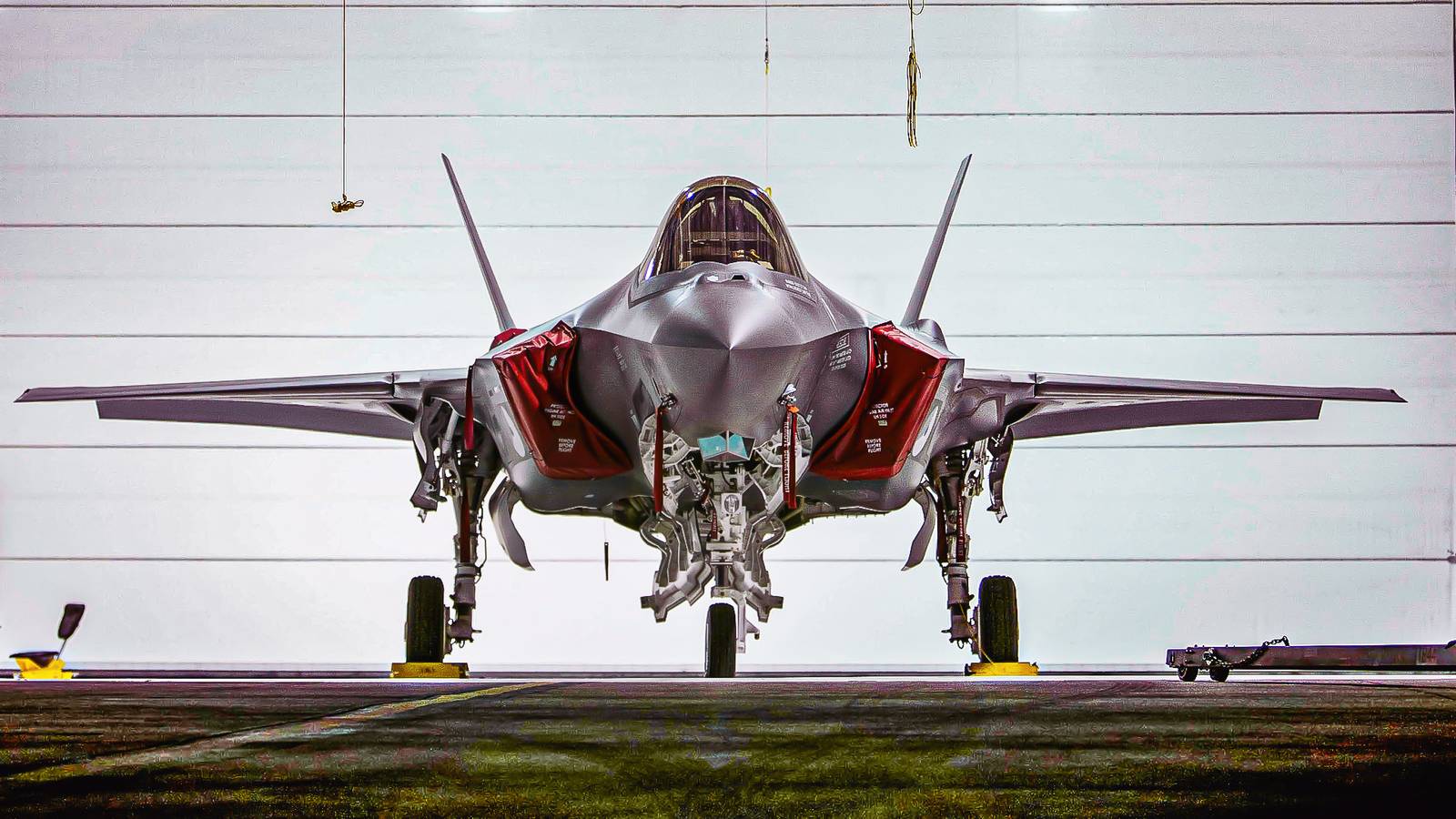
How The F-35's Cooling System Solves A Problem That Grounded Its Predecessor For Years
Heat management remains a central challenge in modern fighter design, and the F-35's cooling system marks a significant step in addressing issues that plagued earlier aircraft. The F-35B's propulsion architecture spreads thrust across the LiftFan, a swiveling exhaust, and wing posts, reducing the concentrated heat that once scorched decks and engines. By contrast, the Harrier family produced an intense, downward jet blast that stressed flight decks and limited operations in hot climates. The F-35B improved thermal management enough to support a larger, more capable aircraft, though officials acknowledge that heat still presents design challenges. The article notes that the Harrier's limitations helped drive the transition toward newer platforms.
The performance of the F-35B also reshaped faults seen in earlier STOVL programs, enabling safer landings and more stable operations. The British Aerospace Sea Harrier, best known for its Falklands War role, was retired by the Royal Navy in 2010 and by the Indian Navy in 2016, making way for the F-35B. The upgraded AV-8B II remains in service with the Italian Navy, illustrating how nations continue balancing legacy designs with fifth-generation capabilities. While the F-35B did not eliminate heat concerns entirely, its cooling advances have allowed varied deployments and heavier loads than earlier Harrier variants.
 xCruzo