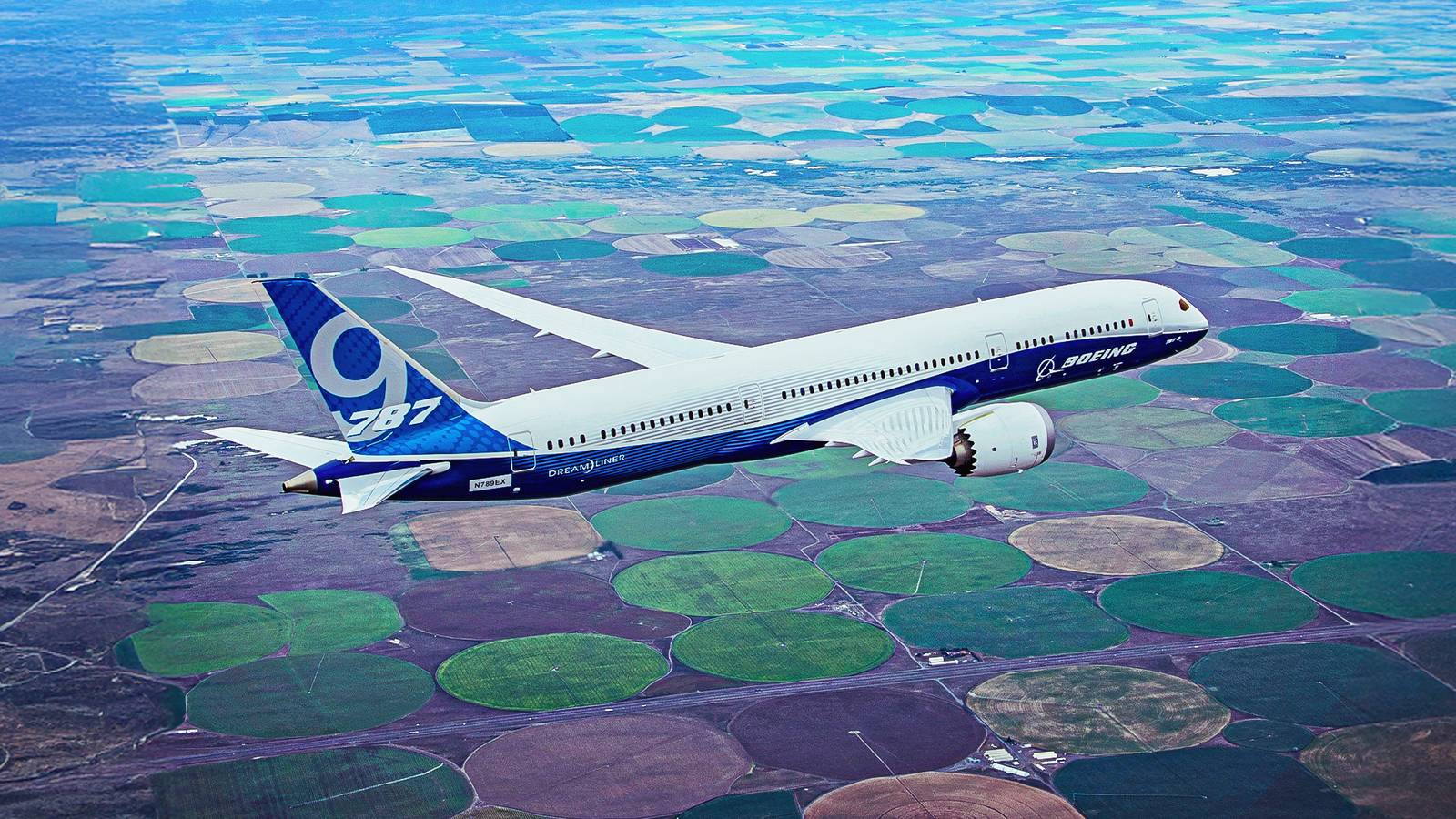
After 15 Years, The Boeing 787 Dreamliner Has Completely Changed Long-Haul Travel
After 15 years, the Boeing 787 Dreamliner has completely transformed long haul travel. The 787 entered service in 2011 and helped redefine long-haul economics by pairing long range with efficient fuel use. It can fly up to 7,565 nautical miles (14,010 km) and typically carries between 240 and 330 passengers depending on configuration. Since its launch, the program has collected more than 2,300 orders and delivered over 1,000 aircraft, enabling airlines to launch more than 370 new nonstop routes and connect over 2,000 city pairs worldwide. The Dreamliner’s fuel efficiency, lower operating costs and cabin design have made direct flights possible between smaller markets and major hubs alike. These changes altered the economics of flying, allowing routes like Perth to London and Austin to Heathrow to become practical without large demand commitments. Boeing’s strategy with the 787 emerged as a counterweight to Airbus’s A380 era, emphasizing midsize long-range capability over very large planes. By combining extended reach with relatively modest seating, the 787 helped airlines pursue point-to-point networks rather than hub domination, reshaping travel geography. While competition and certification challenges have persisted, the Dreamliner remains a cornerstone of modern long-haul strategy.
 xCruzo




![Air Canada's Massive Expansion: 7 New Long-Haul Routes Launching In June [Full List]](https://static0.simpleflyingimages.com/wordpress/wp-content/uploads/2026/05/air-canada-boeing-787-mock-up.jpg?w=1600&h=900&fit=crop)