The Airbus A350-900ULR's Range Hits 9,700 Nautical Miles Because Parts Were Removed, Not Extra Fuel Tanks
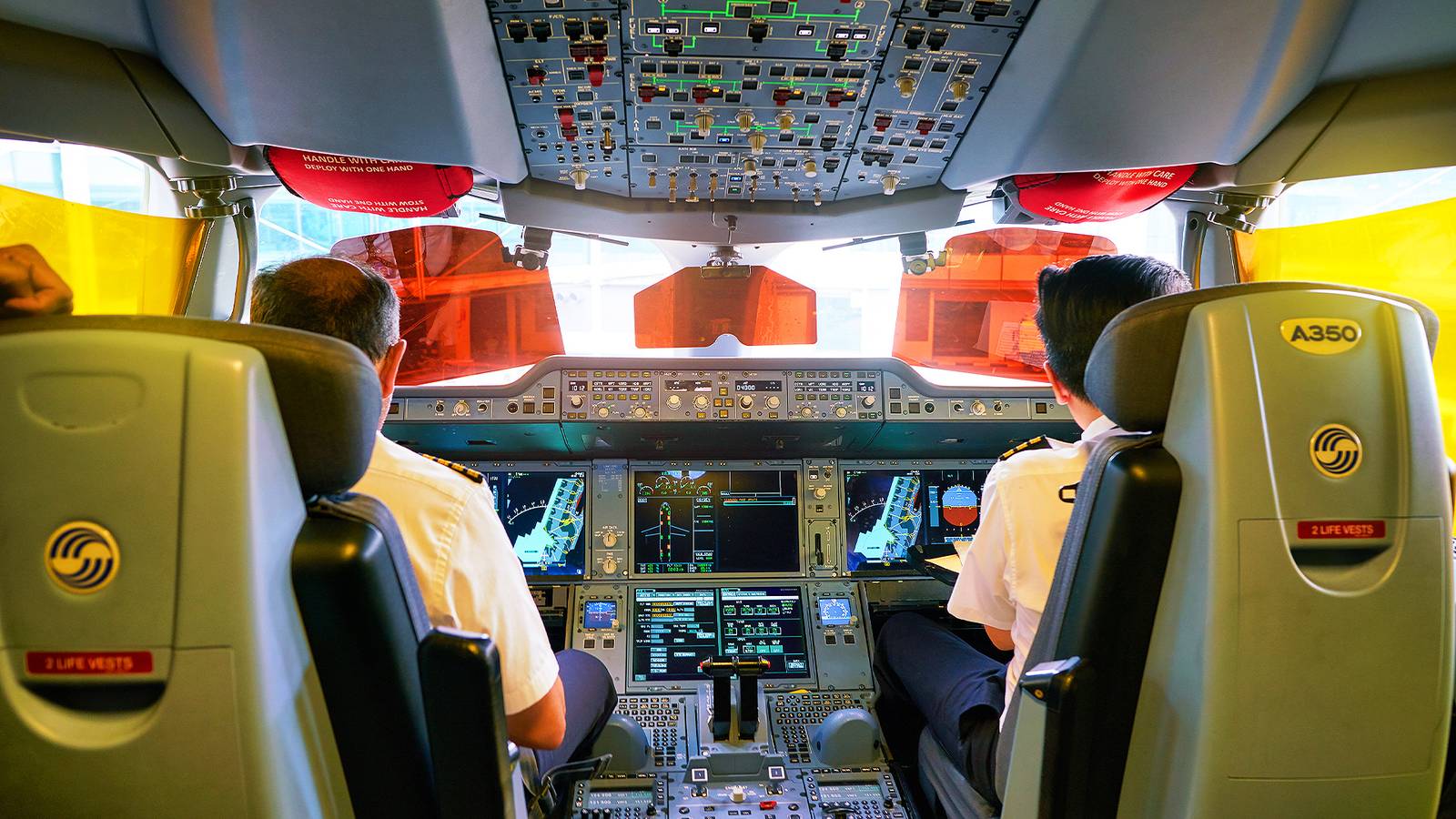
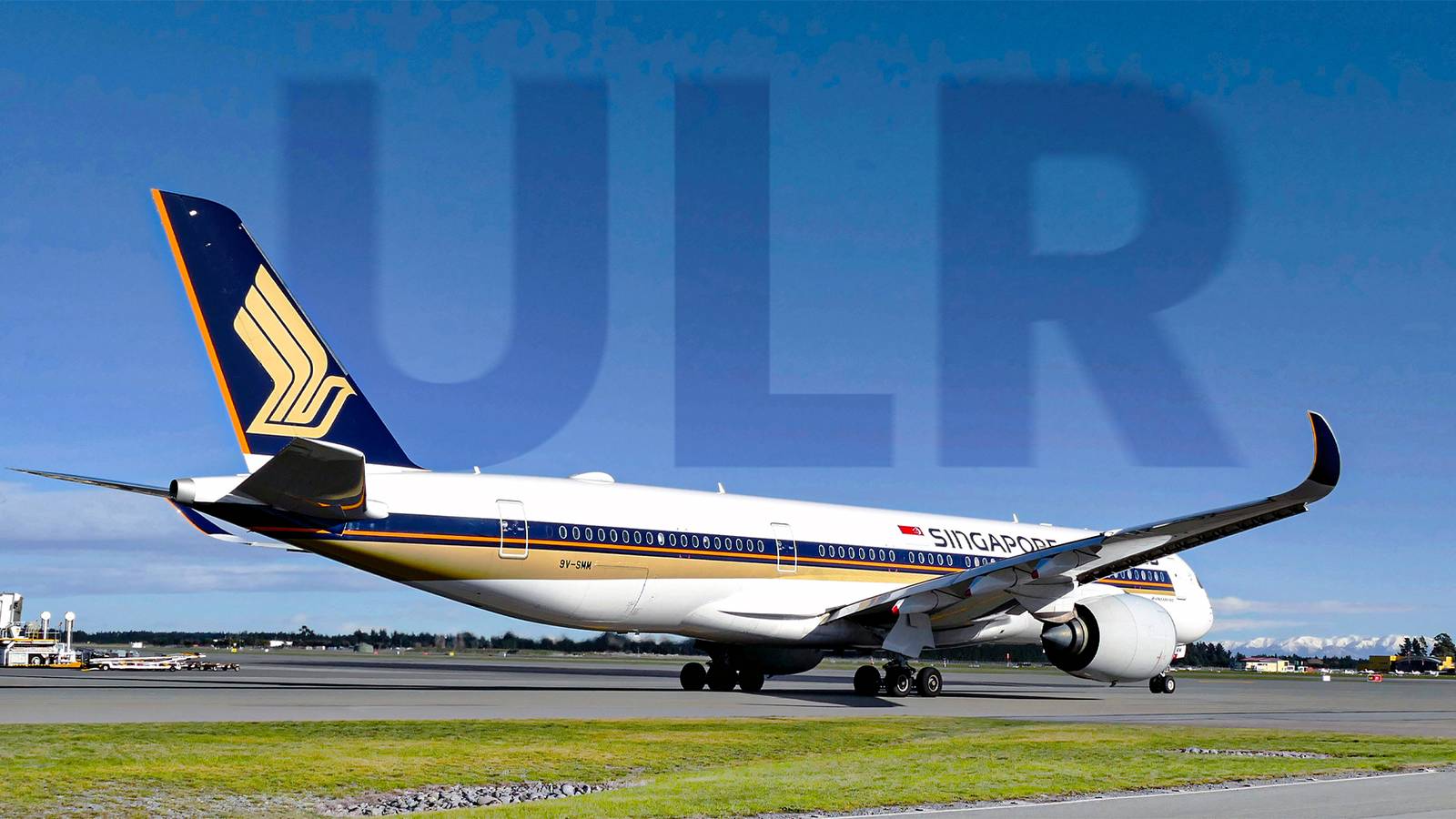
The Airbus A350-900ULR achieves its record range not through extra fuel tanks but through a radical structural approach that prioritizes efficiency over mass. Airbus quietly deactivated entire cargo sections and eliminated dense passenger cabins, sacrificing some capacity for an extraordinary nine-thousand-seven-hundred-nautical-miles capability. Powered by Rolls-Royce Trent XWB engines, the twin-engine airframe represents a shift from the legacy four-engine configuration that stalled the earlier non-stop Singapore-to-Newark service when fuel costs spiked. The design follows decades of effort to balance expensive fuel burn with passenger payload on ultra-long routes. Beyond technology, the program reshaped airline economics by proving that a twin-engine airframe could sustain global networks previously dominated by larger, less efficient four-engine jets. The A350-900ULR reaches 9,700 nautical miles (11,163 miles, 17,964 kilometers), enabling nonstop links such as Singapore Changi to Newark, and addressing a key industry desire to reopen the world's longest bridges. The conversion involved strategic tradeoffs—repositioned cargo, lighter interiors, and optimized aerodynamics—rather than additional fuel capacity. The result is a platform that redefines ultra-long-haul viability for planners, airlines, and passengers seeking non-stop access to distant hubs.
 xCruzo