Why Ultra-Long-Haul Flights Still Need 4 Pilots In The Cockpit For Takeoff
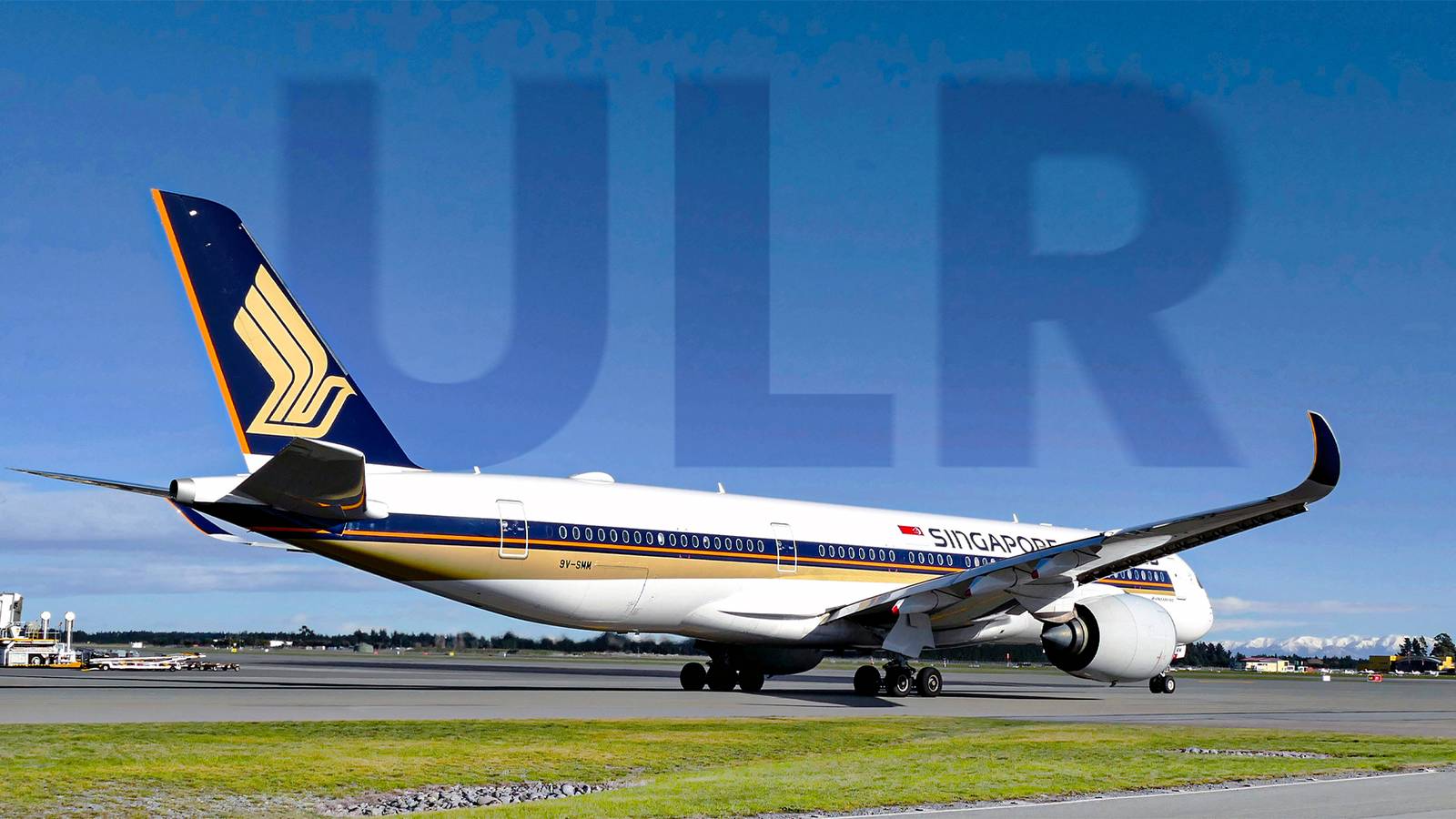
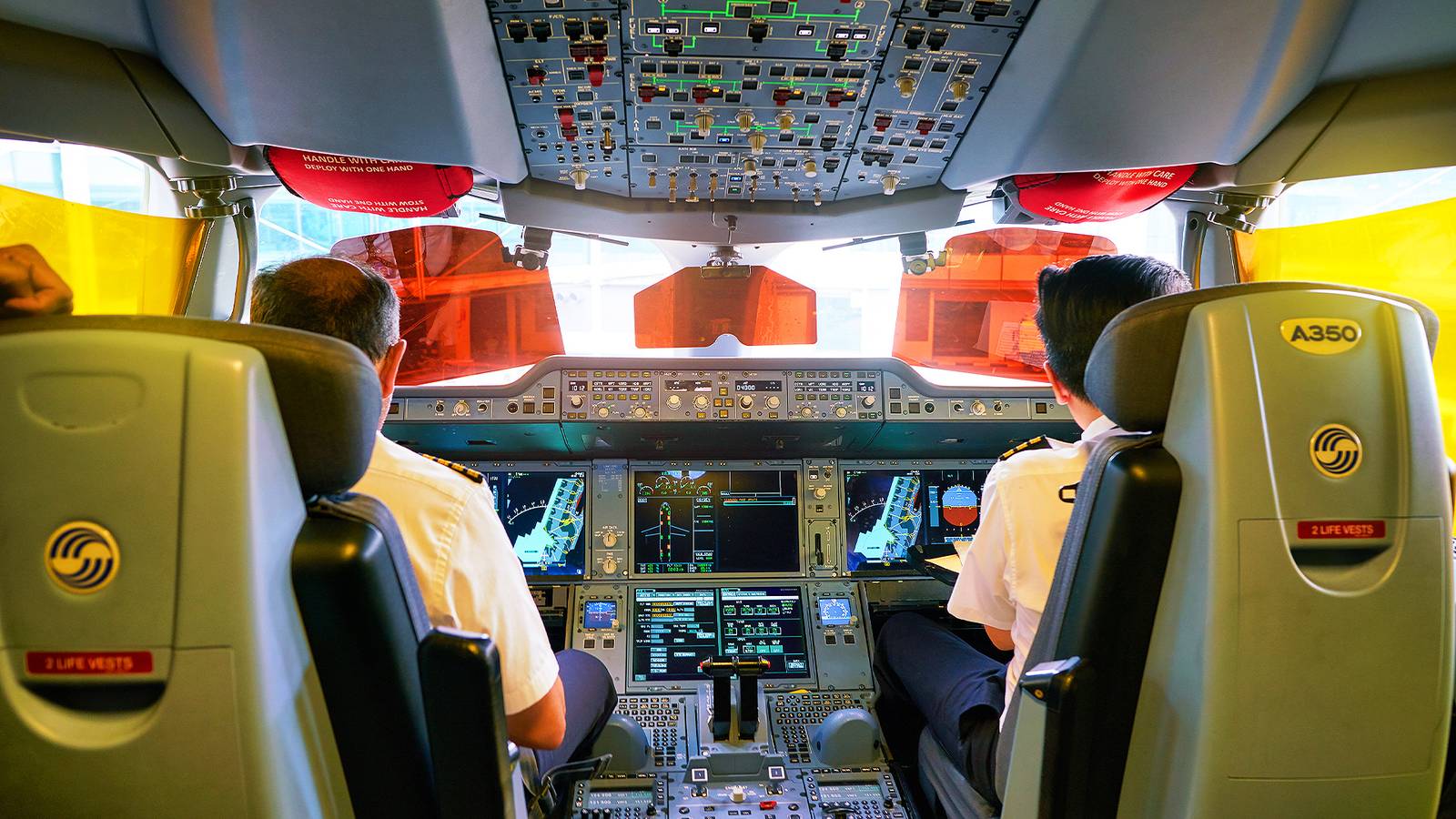
Ultra-long-haul flights illustrate why aviation safety rules still require four pilots in the cockpit for takeoff. Despite fly-by-wire systems and advanced autopilots, the U.S. regulatory framework says that pilots are limited to eight to nine hours in a single duty day, and missions longer than 17 hours mandate four crew members on board. The four-person team typically comprises two captains and two first officers, with two relief pilots ready in jump seats during the most-demanding takeoff phase. Such redundancy helps monitor thousands of moving parts in a million-pound airframe as power, navigation, and performance systems come under heavy load. Takeoff in ULH operations is where misjudgments and fatigue can have outsized consequences, so the jump-seat crew remains ready to assist with checklists and instrument monitoring should an abnormal condition arise. The article notes that as aircraft age and mission lengths extend to 17–18 hours, some fleets may deploy three pilots if a sub-16-hour mission suffices, but the longest journeys consistently use four. The weight and inertia of widebody airliners mean even small delays can escalate, reinforcing why pilots require sustained vigilance and formal rest cycles to protect the flight, its crew, and the public on the ground.
 xCruzo