Simple Flying
Things Pilots Do Differently Once They Cross Into Oceanic Airspace

xCruzo Brief
Crossing from land into oceanic, non-radar airspace is one of the most distinct shifts in how flight crews operate. As voice traffic and radar picture fade, pilots move to procedural control using strict cockpit routines, digital data-link messaging, and independent safety checks to maintain separation over open water. The piece outlines five procedural changes tied to FAA guidance and global standards, starting with communications: VHF coverage drops about 200–250 nautical miles from shore, so crews rely on HF and satellite links. Primary clearances move to CPDLC and position reporting uses ADS-C, with HF voice SELCAL checks as backup.
xCruzo quick-read summary • Source: Simple Flying • Read the full article for complete information.
 xCruzo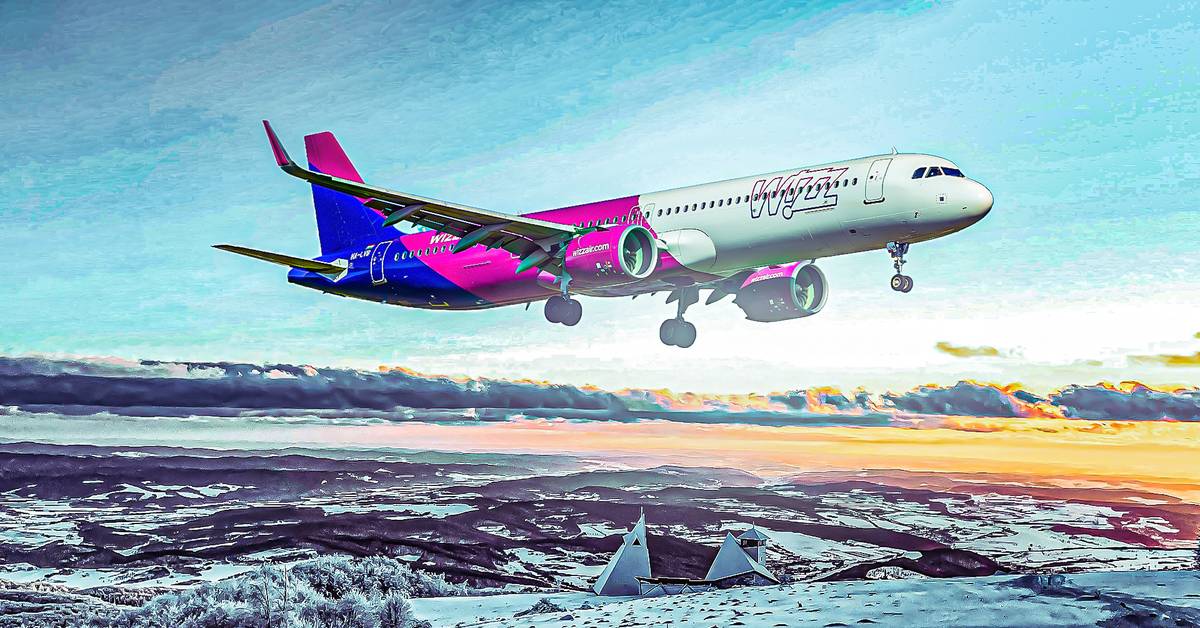
Wizz Air Has Launched Flights To 8 Massive New Destinations: Full List Revealed

Qué vino a hacer Vozinha a la Argentina?

Marquez no falla en Aragón y apunta al Mundial

Baldy Breakdown: Giants' Marcus Mbow showed 'violent hands' vs. Jets

Detailed investigation: Infantino received gifts from Putin and used FIFA for personal purposes
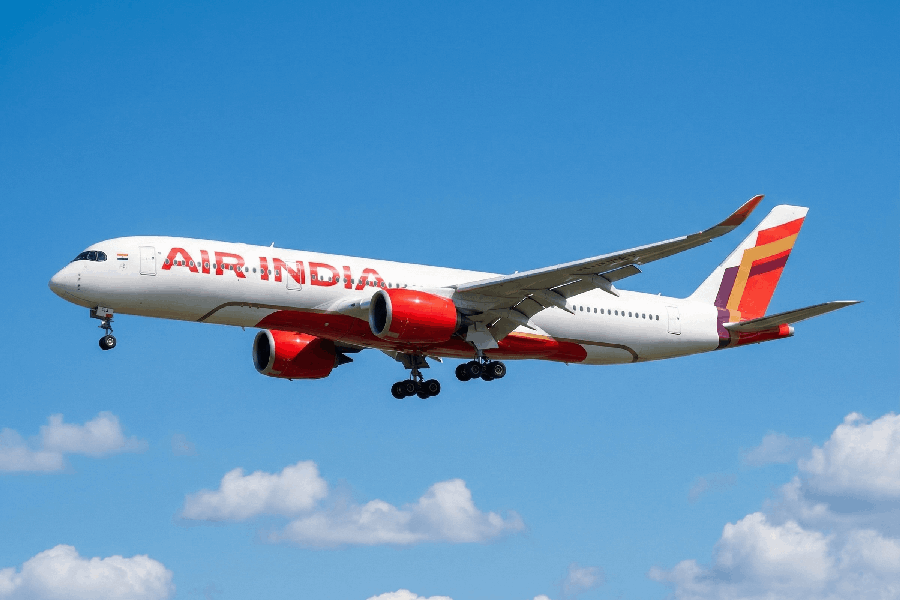
Air India B787 engine failure in 2023 led to expanded inspections, DGCA tells CIC

Buccaneers' Baker Mayfield's backup after contract drama confirmed, and it's a $25K Cinderella story

FGR reserva hasta 2031 información sobre El Jando y traslado de El Mayo Zambada