Why The Boeing 727 Needed Three Engines To Settle A Fight Between United, American, & Eastern Airlines
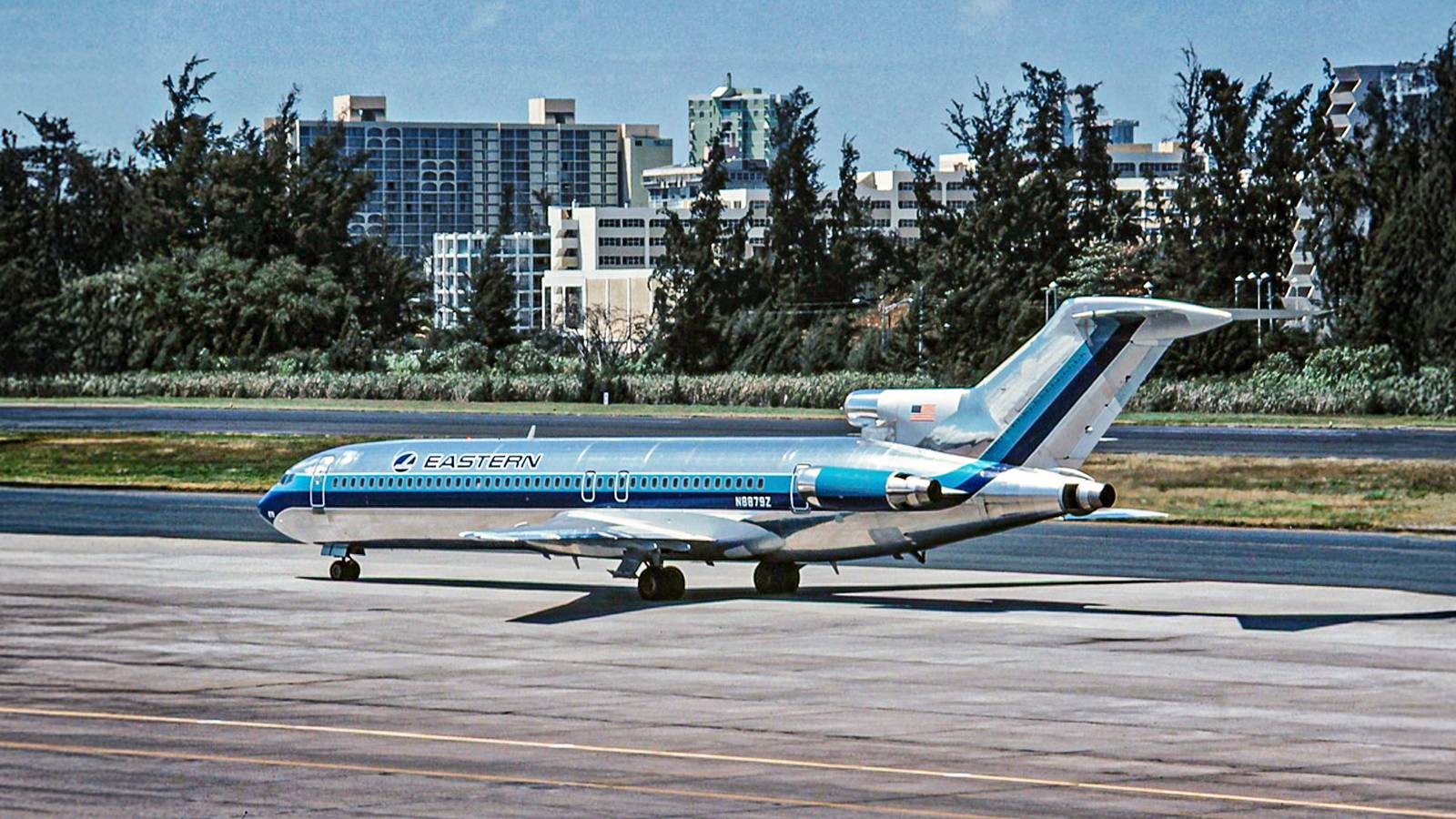
The Boeing 727 needed three engines because Boeing was caught between competing airline demands in the early jet era, and the trijet layout became a physical compromise between United, American, and Eastern. After Boeing’s 707 proved demand existed for long-haul jets, the company sought a smaller short- and medium-haul aircraft for domestic routes and airports that larger aircraft could not serve. Boeing envisioned roughly 100 to 150 passengers, but the key customers disagreed on one fundamental question: how many engines the new aircraft should have. United favored four engines for challenging airports, while other major prospective buyers preferred different approaches, driving a configuration solution that could satisfy regulatory and operational constraints. The result was a distinctive 727 that embodied the dispute as much as the engineering choices.
 xCruzo