And 3D X-rays could catch wildlife smugglers after Argentina airport haul overwhelms rescuers
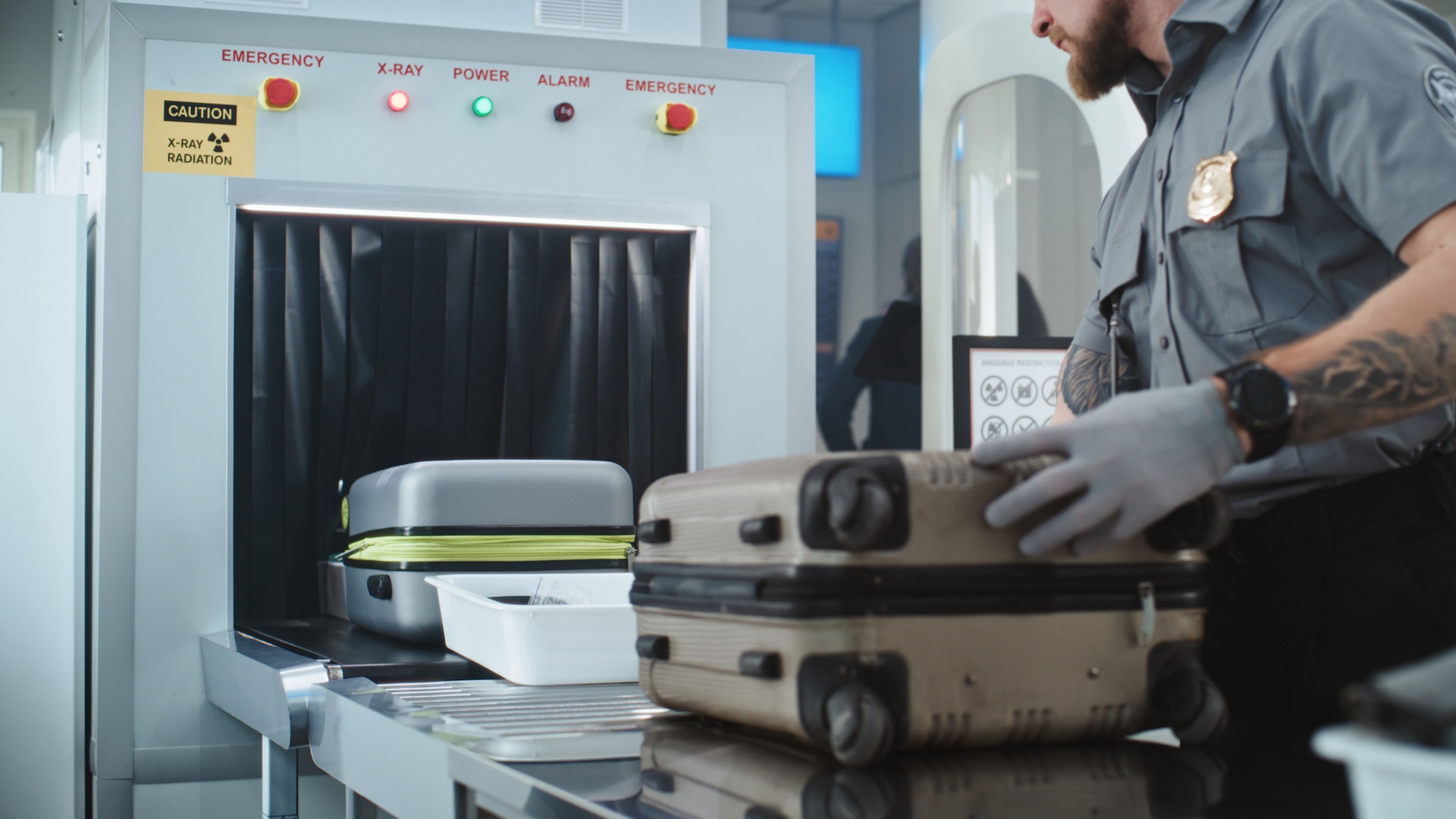
Technology combining AI with 3D X-ray screening is being developed to help intercept marine wildlife smuggling at airports after an Argentine seizure near Buenos Aires. In late April, authorities found an illegal shipment containing dead and dying fish, octopuses, and crabs; enough animals survived that a national rescue center set up 10 emergency tanks. The Associated Press reported two other marine wildlife seizures at the same airport in the prior year. Researchers, led by Vanessa Pirotta of Macquarie University, created an AI system specifically to detect trafficked dead marine wildlife in 3D X-ray images, trained on nearly 6,000 simulated bags. Reported accuracy was 95% to 96% for shark fins and seahorses and 86% for sea cucumbers, though results were strongest for animals with clearer shapes. The work reflects enforcement efforts such as Interpol and the World Customs Organization’s Operation Thunder, which seized 91,000 pieces in 2025, nearly double other marine categories. Limitations include testing mostly on dead specimens and dependence on real-time 3D scanners.
 xCruzo