Australian biologists spend 120 days at sea, get towed behind boats, and log 40 years of reef change
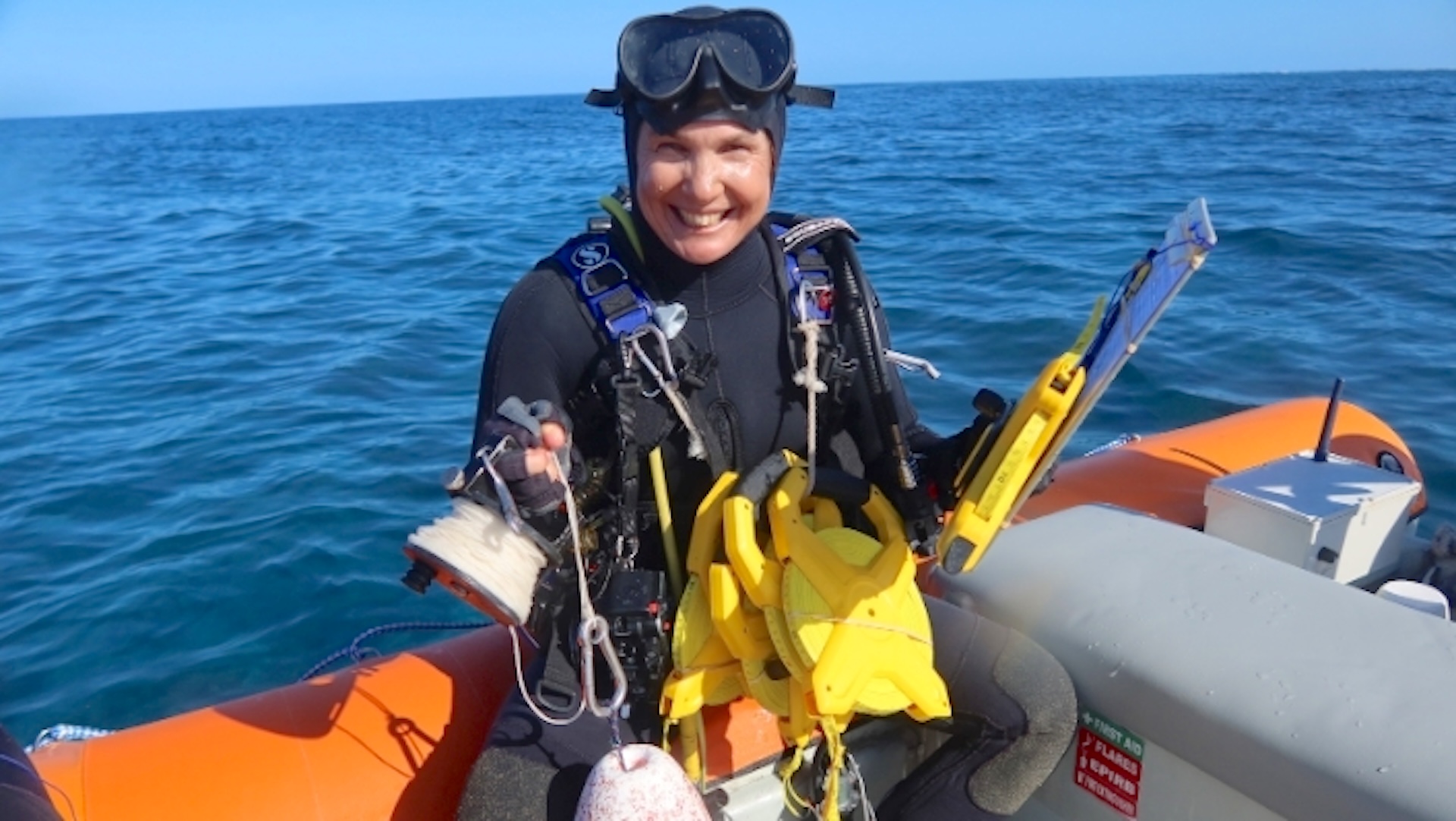
Australian biologists spend 120 days at sea, get towed behind boats, and log 40 years of reef change highlighted the scale and persistence of monitoring on the Great Barrier Reef. As the Australian Institute of Marine Science’s Long-Term Monitoring Program marks its 40th anniversary, scientists say fieldwork can mean up to 120 days at sea, with 20-day runs that can survey as many as five reefs in a single day. Researchers sometimes use manta towing, in which a scientist wearing snorkeling gear holds onto a board while a boat tows them along the reef, logging observations in timed two-minute intervals. The program, described as one of the longest-running continuous reef monitoring records, tracks bleaching, shark counts, fish populations, coral disease and other indicators beyond its early focus on coral and crown-of-thorns starfish. Michelle Jonker, benthic ecologist with 20 years on the program, and LTMP Reef Fish Section Lead Dr. Daniela Ceccarelli spoke about the effort. Former scientist Ian Miller reported logging about 21,000 manta tows and 3,000 dives over 32 years, emphasizing why consistent methods matter for understanding slow reef decline.
 xCruzo