East Africa's oceans change, coastal women build new livelihoods
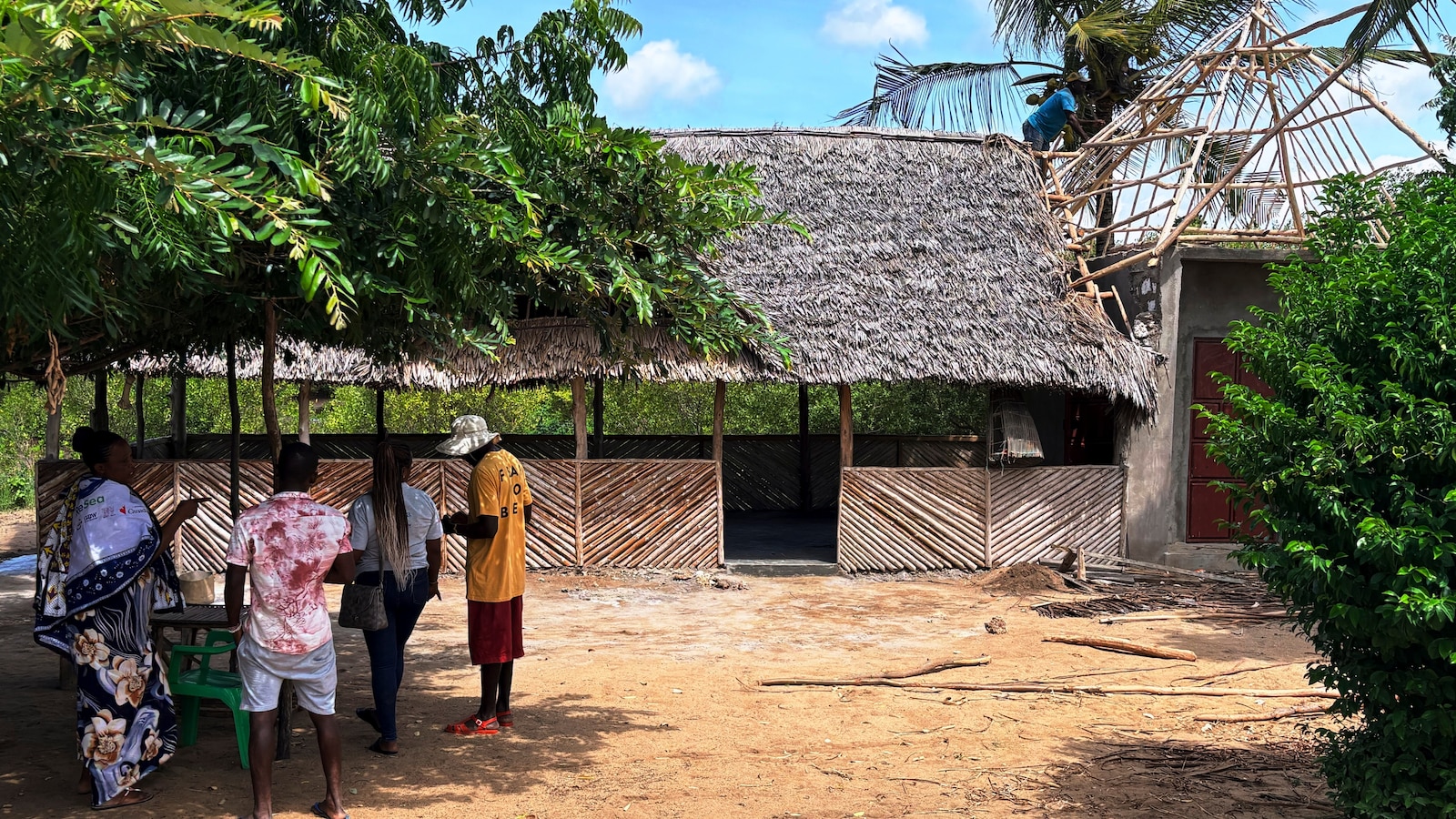
East Africa’s oceans are changing as climate change and industrial fishing erode coastal livelihoods, and women-led businesses are responding with new income models. In Malindi, Kenya, 54-year-old Nuru Mohammed is preparing a beachside restaurant built to create earnings beyond fishing as rising pressures undermine traditional catches. Across the region, fisherfolk are shifting toward tourism, ecosystem restoration and conservation-linked work as warming waters, overfishing and declining ocean health threaten food and income. Examples include restored mangrove forests in Kenya supporting beekeeping and ecotourism, Zanzibar communities protecting coral reefs through locally managed closures, and Mozambique using sea-grass restoration to create jobs and revive habitats. The initiatives are framed as resilience through rebuilding the marine environment rather than leaving it behind. Conservation program ReSea’s director Andreane Martel said women’s leadership can protect biodiversity while generating inclusive livelihoods. Mohammed described losing boats to theft and struggling to compete with a Chinese-owned fish processing facility. Nearby in Kenya, a mangrove nursery and restaurant run by a 30-member women’s group supported by the Canadian government highlight efforts to adapt as fish supplies decline.
 xCruzo