Endangered anchovy reveals hidden reproductive clues along the Yangtze
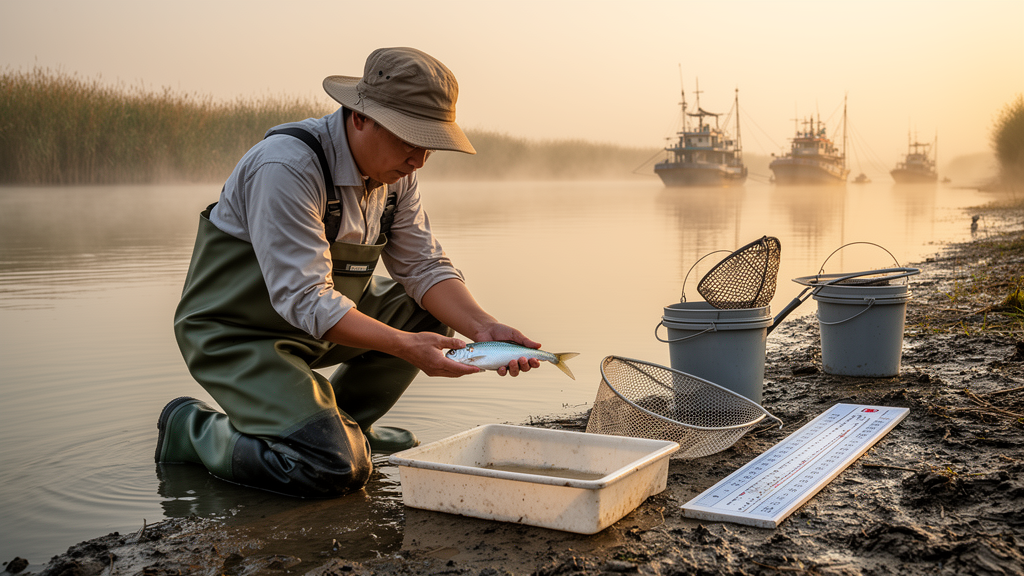
A new study on the endangered Japanese grenadier anchovy (Coilia nasus) is using reproductive data to test whether a historic Yangtze fishing ban is working. Researchers from Shanghai Ocean University and the Chinese Academy of Fishery Sciences published findings in Environmental Monitoring and Assessment that address a key shortcoming of catch-only monitoring: abundant catches don’t necessarily mean fish are ready to spawn. Between May and June 2024, they deployed drift gill nets with 40-millimetre mesh across four sections of the Yangtze, capturing 9,455 fish, then paired field data with lab measurements of gonadal development, age structure, and the gonadosomatic index. Laboratory analysis of 1,119 fish (30 May to 4 June) showed major spatial differences: Anqing had the highest catch per event (129.5) but only 8.9% mature fish, while Chongming had 54.2% mature fish.
 xCruzo