Iowa, water pollution is a health threat that also disrupts summer fun
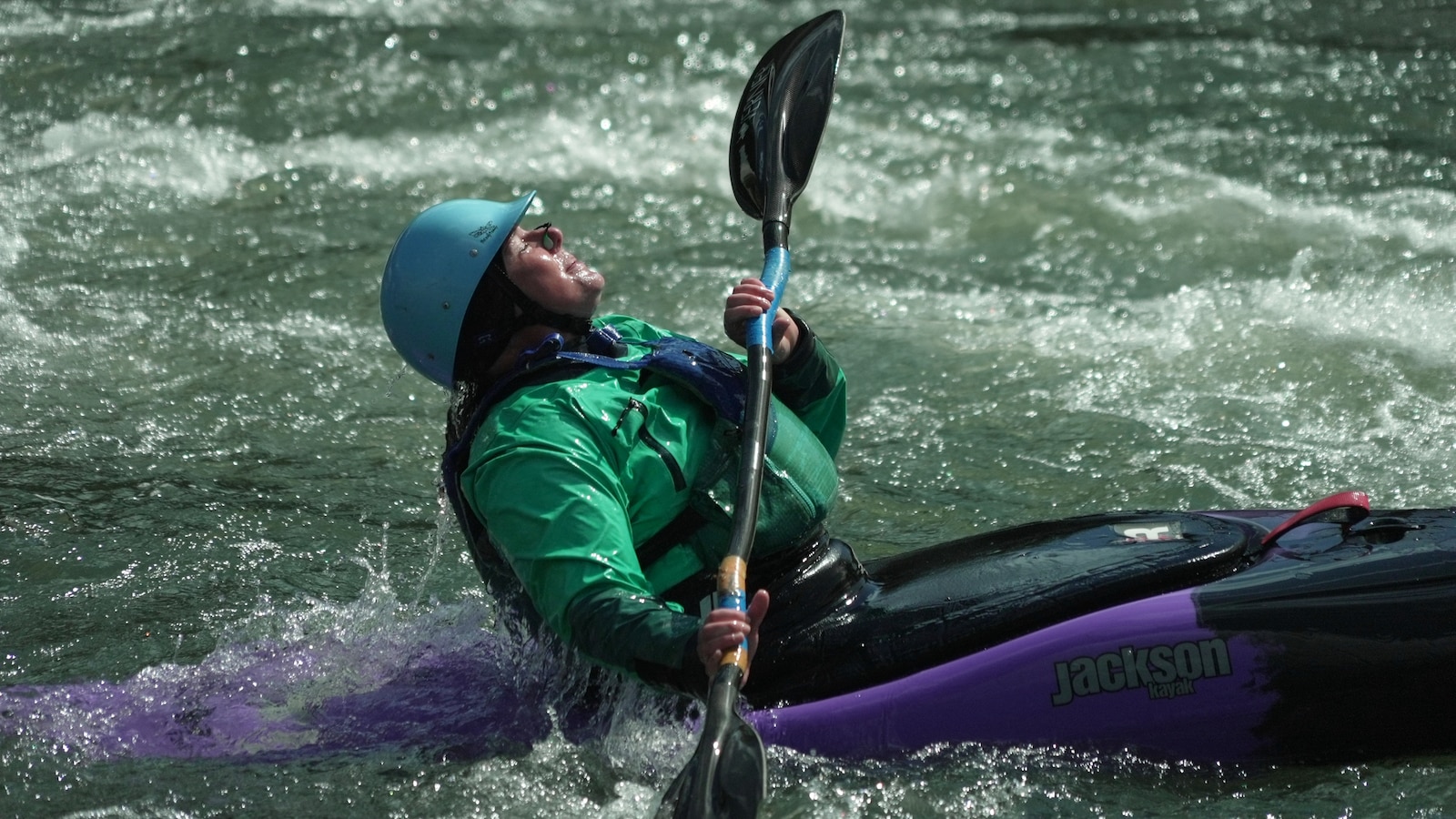
Iowa’s water pollution issue is not only a health worry but also a disruption to summer recreation, as shown by a paddler on the Maquoketa River who loves whitewater but has suffered illness from the water. Hannah Ray J Childs notes she wears nose and ear plugs to reduce risk after rough encounters, underscoring a broader regional problem tied to nitrates and phosphorus from farm fertilizer and hog operations that runoff into rivers and streams. The state is a significant contributor to a Gulf of Mexico dead zone, and algal blooms complicate beaches and river access during the season.
In 2024, more than half of Iowa’s river, stream and lake segments failed state standards for swimming, drinking or aquatic life, prompting ongoing debate over solutions. The state has leaned on voluntary measures rather than mandates to curb runoff, against a backdrop of lawsuits by environmental groups over nitrate policy. In May, Gov. Kim Reynolds unveiled a $320 million water-infrastructure package, supplementing roughly $100 million annually; improvements include phosphorus reductions and practices like cover crops and reduced tillage, though officials say progress remains short of the goal.
 xCruzo