July 1997 NASA landed on Mars by wrapping its spacecraft in giant airbags and dropping it onto the surface at 30 miles an hour, where it bounced at least 15 times -- one bounce 50 feet high -- before rolling to a stop and releasing the first rover ever to drive on another planet.
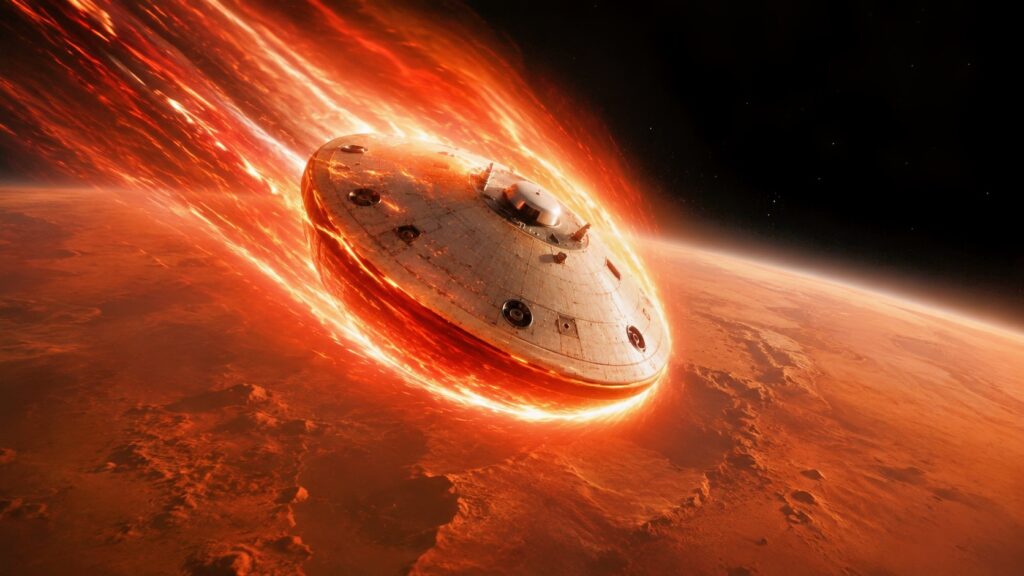
The story revisits NASA’s Mars Pathfinder mission, highlighting how the spacecraft landed on July 4, 1997, using giant airbags and a controlled descent at about 30 miles per hour. It was part of a broader effort to demonstrate that NASA could explore beyond the Moon on a tight budget, with the mission carrying the Sojourner rover. Pathfinder launched on December 4, 1996 from Cape Canaveral, Florida, atop a Delta II 7925 rocket, reaching the Martian surface at Ares Vallis. NASA says the mission returned 2.3 billion bits of information, including more than 16,500 images from the lander and 550 images from the rover. Scientists later concluded that Mars had been warmer and wetter billions of years ago based on rock and soil tests. The excerpt also notes that engineers had to design a landing approach that could slow descent and protect the spacecraft during atmospheric entry, leading to the eventual airbag-based solution. The article begins by placing the effort in the context of the 1990s and U.S. government priorities.
 xCruzo