Marine heatwaves are intensifying unevenly at Scottish fish and shellfish
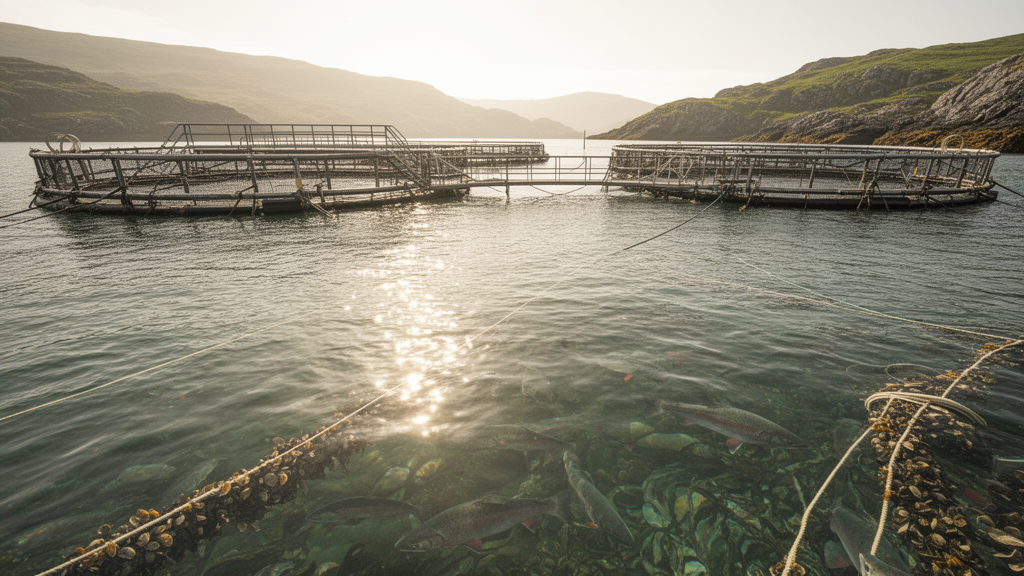
A new study in Frontiers in Marine Science finds that marine heatwaves affecting Scottish aquaculture are growing, but not uniformly. Researchers from the University of Exeter, the Scottish Association for Marine Science, Plymouth Marine Laboratory and Cefas analyzed daily satellite sea-surface temperatures from 1990 to 2025 across 361 active finfish and shellfish farms, mapped to 218 coastal grid cells of about five kilometres. While heatwave occurrence is broadly increasing, the work shows sharper differences in event duration, accumulated heat and severity, with some coastal locations changing much faster than others. Marine heatwaves are defined as anomalously warm events lasting at least five days above a seasonally varying local threshold. Using OSTIA satellite data, the team validated results against in-situ records from eight Atlantic salmon farms, finding strong agreement. Events were classified as Moderate through Extreme using the Hobday framework.
 xCruzo