Nanopore Duplex Sequencing Emerges as a Rival to Illumina for Monitoring
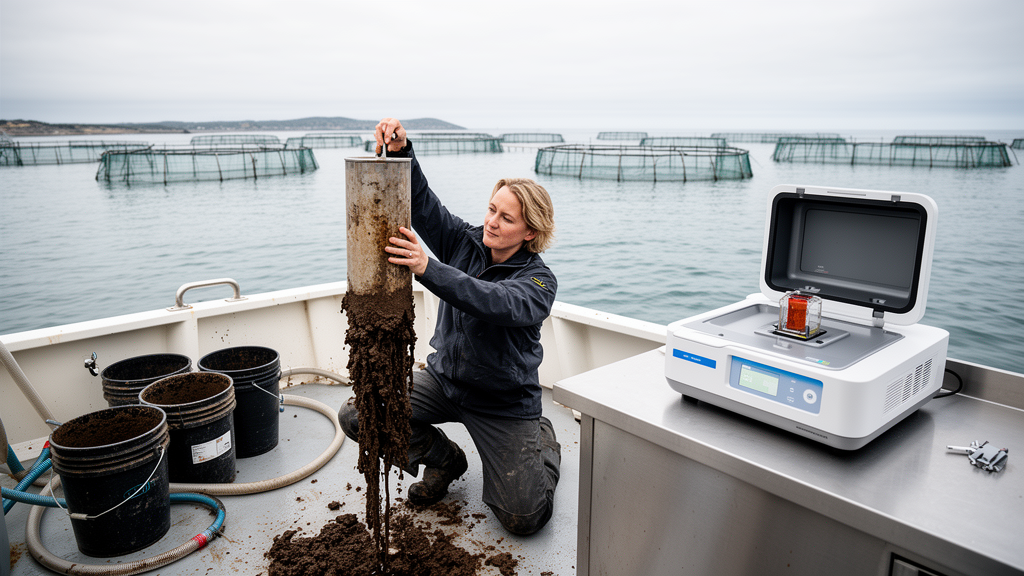
A pilot study from Scottish salmon farms suggests nanopore duplex sequencing could rival Illumina for environmental DNA monitoring. Researchers tested Oxford Nanopore Technologies’ latest duplex chemistry against the Illumina MiSeq platform and reported that long-read sequencing reproduced the same ecological patterns while offering finer taxonomic detail. The work, published in Metabarcoding and Metagenomics, analyzed bacterial communities in sediments near two Atlantic salmon (Salmo salar) aquaculture installations—one near Oban and another in Loch Linnhe. The study frames bacteria as fast-responding indicators of organic enrichment from feed and feces. It notes Illumina’s shorter reads (around 500 base pairs) often limit genus or species-level assignment, while older nanopore error rates made compliance monitoring difficult. Using the R10.4.1 flow cell and Dorado duplex base-caller, the team found 36% of high-quality reads were duplex reads with Phred scores of at least 30.
 xCruzo