Ocean conflicts are growing. A new lab at UMass Dartmouth studies how we share the sea
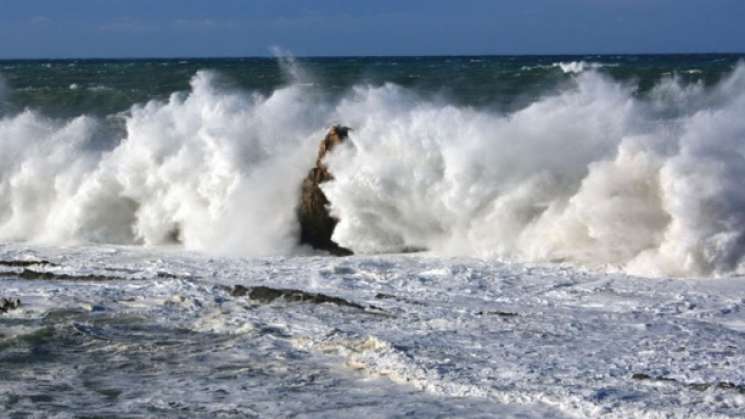
Ocean conflicts are growing, and a new lab at UMass Dartmouth aims to help us share the sea by balancing conservation and policy. The Shared Seas Lab, led by Assistant Professor Melissa Cronin at the School for Marine Science and Technology in New Bedford, investigates how competing uses of ocean space affect wildlife and coastal communities. In Cronin's lab, researchers study manta and devil rays as bycatch on tuna boats, collecting small samples from tail tips to support genetic analyses conducted with an external lab. The goal is to determine whether ray populations are localized or intermixing globally, a finding that would drive different management approaches. The lab also pursues projects in Chile on industrial versus small‑scale fishing and analyzes lobster fishery displacement in New England. Local fishermen feature prominently: Jeffrey Richardson, 34, fishes 700 to 800 traps from Sandwich Marina and pays about $15,000 annually in property taxes, illustrating cost pressures shaping sea access. Cronin’s work aims to inform conservation and policy decisions that could reshape regional fisheries management from Cape Cod to Martha’s Vineyard.
 xCruzo