The fish behind America's fish sticks is fueling a fight over trawling in Alaska
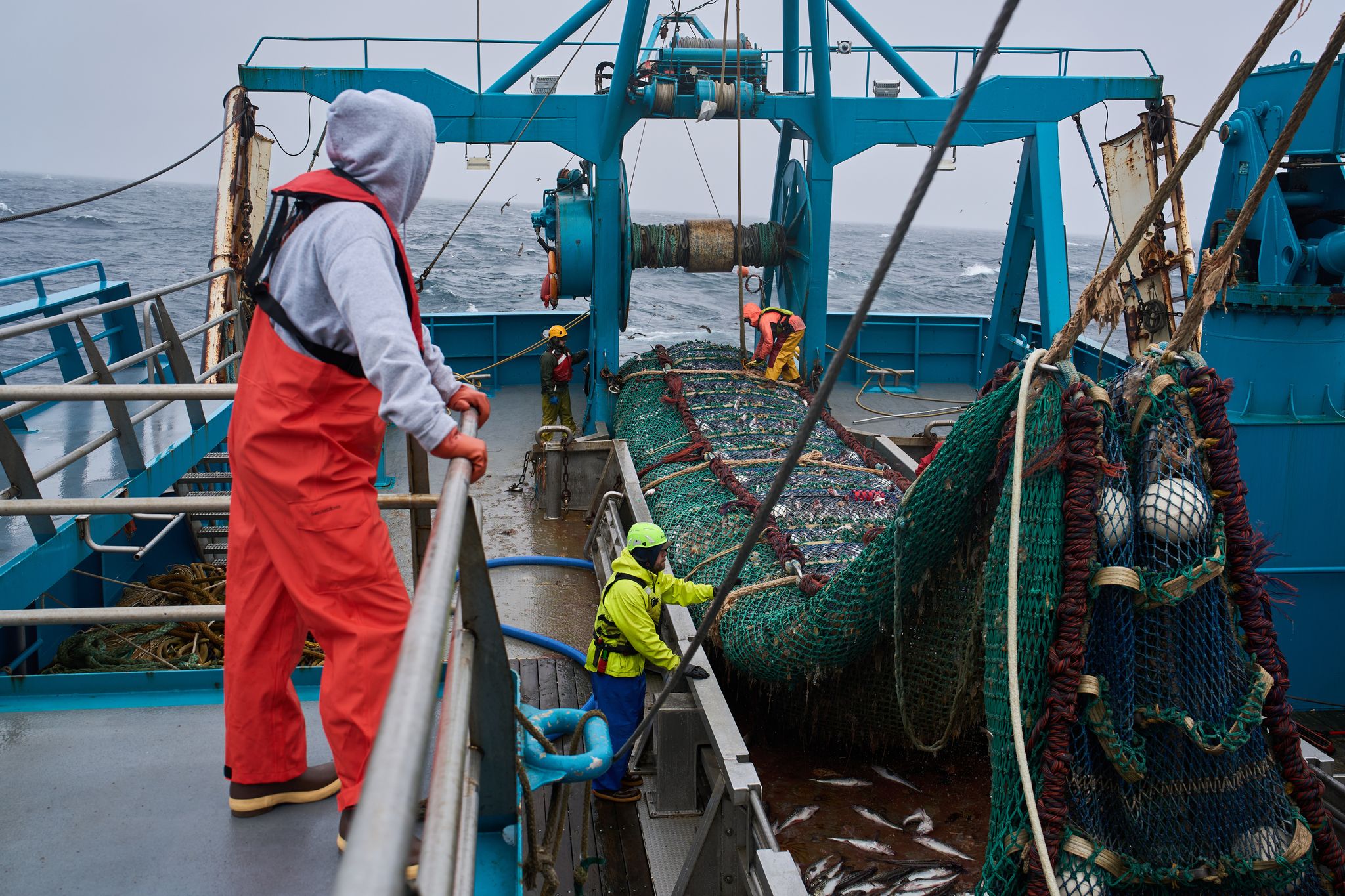
In the Bering Sea, nets hauled for Alaska pollock return a dense catch but also bring unwanted species. As the trawl came aboard on a boat in the Associated Press’s reporting, dead marine life spilled with it—skate, crabs, jellyfish and, most crucially, salmon. Maverick Blake, captain of the F/V Progress, said bycatch is common in a “wild capture fishery,” but argued it is part of getting seafood to market. Alaska pollock is the world’s second-largest fishery and is used for products including McDonald’s Filet-O-Fish sandwiches, fish sticks and imitation crab. Bycatch makes up about 2% of the pollock catch, yet over 10 years averaged roughly 18,000 Chinook and 288,000 other salmon annually. The politics sharpen as salmon runs decline and Native communities rely on them. Alaska and Canada imposed a seven-year Yukon River Chinook ban in 2024.
 xCruzo