Extend EV Battery Life with Smart Battery Management Systems | Fuel Cells Works
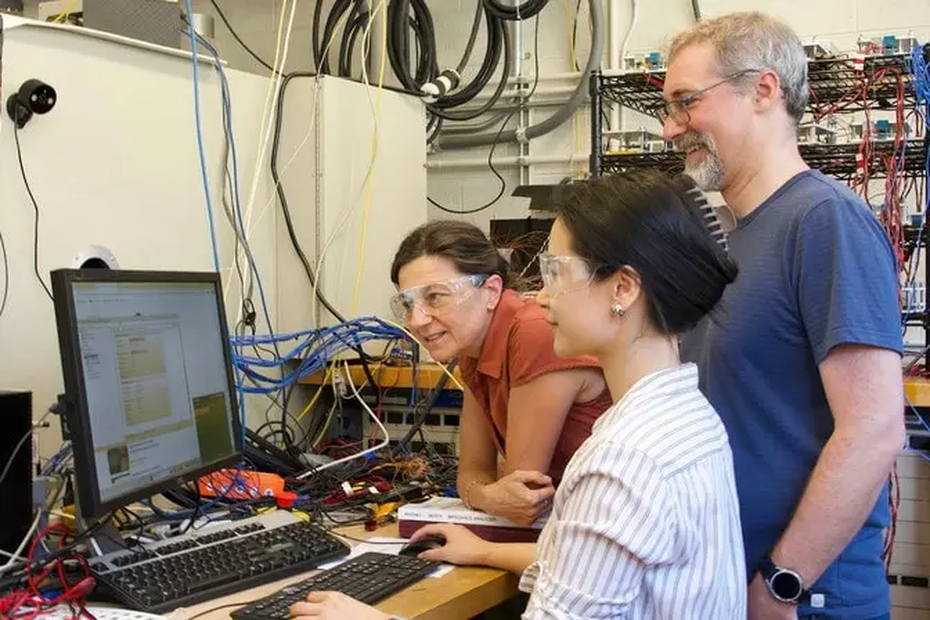
A new battery management approach aims to extend electric-vehicle battery life by using everyday charging data to identify when silicon in lithium-ion electrodes is most vulnerable. Researchers at the University of Michigan, with contributions from General Motors and Imperial College London, report that silicon can store about 10 times more lithium than graphite, but incorrect temperature operation can cut lifetime by half. The study, funded by the U.S. National Science Foundation and published in Joule, finds the silicon transition threshold that determines which material “works harder” can shift up or down as the battery ages. Instead of fixed voltage and temperature cutoffs, the system applies heat when silicon is active and cools when graphite takes over. It is designed to work with voltage and charging data already collected by current battery management systems, without adding new internal sensors, and is expected to suit lower-power Level 1 and Level 2 charging commonly used at homes and workplaces.
 xCruzo