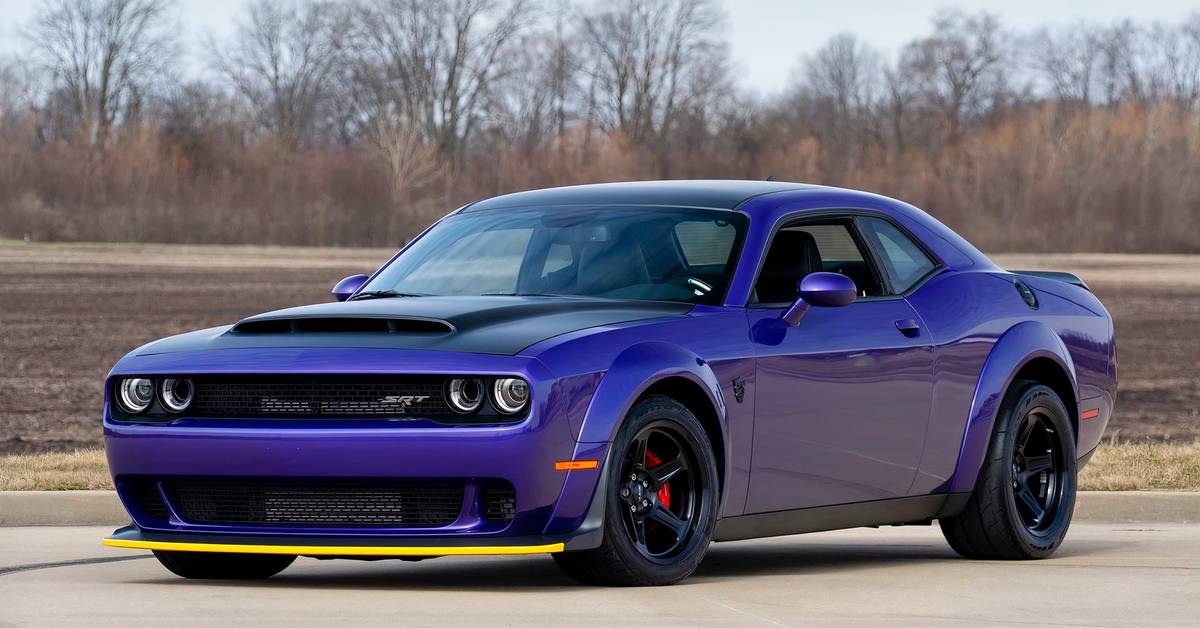
What SRT Means On Modern Dodge Cars
Dodge signals a strategic shift in its performance branding by rethinking the SRT badge in the face of tightening emissions rules. The legacy V8-powered performance engines that defined SRT, notably the 6.2-liter supercharged HEMI V8, are being deprioritized as the brand pivots toward electrified drivetrains and turbocharged alternatives. Automakers and regulators alike are pushing toward lower emissions, prompting Dodge to reconsider how it delivers high performance while meeting regulatory demands. The result is a redefined performance pathway that blends traditional speed with modern efficiency, rather than a direct continuation of the old SRT formula. Dodge has outlined new performance options, including a twin-turbo 3.0-liter inline-six that produces 550 horsepower and 531 pound-feet of torque. This engine would sit in upcoming Charger variants planned for 2026, signaling a pivot away from the old V8 toward a scalable, modern architecture. The automaker’s strategy aligns with Stellantis’ broader push for an EV muscle car that can meet stringent regulations without sacrificing straight-line speed. While the era of raw V8 thunder may be giving way to efficient EV and turbo solutions, Dodge emphasizes that performance will not disappear. The SRT badge is expected to evolve rather than vanish, as engineers leverage electric powertrains and advanced aerodynamics to maintain competitive excitement. The move reflects a broader industry trend toward electrified performance while preserving brand identity through new technology and performance benchmarks.
 xCruzo