Systematic review maps Ghana's bioethanol gap and regional lessons
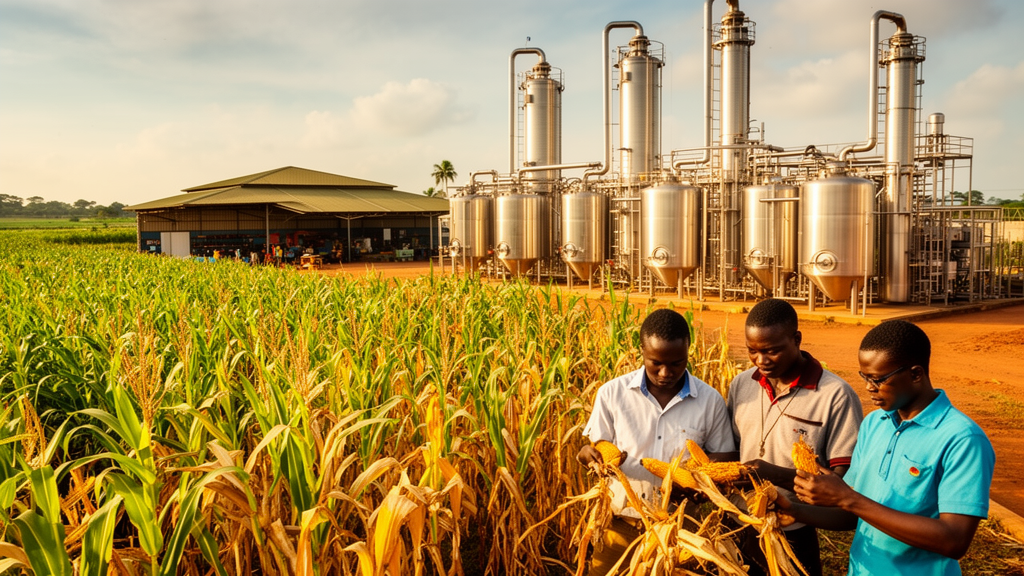
A systematic review published in Frontiers in Energy Research in 2026 says Ghana has significant bioethanol feedstock potential but turns only a small fraction into production. The study estimates cassava peels could yield 280–320 litres of ethanol per tonne, while drought-resistant sweet sorghum varieties could produce 300–340 litres per tonne without directly competing with staple food. Agricultural residues alone could support about 200 million litres annually—enough for clean cooking fuel for roughly five million households—yet only around 5% is used. Comparing Ghana with eight countries, researchers point to weak execution rather than limited policy ambition. It notes Ghana’s 2010 Bioenergy Policy targets 10% biofuel integration by 2020, later extended to 20% by 2030.
 xCruzo