Great Thrillers That Have Been Lying To You From The Very First Scene
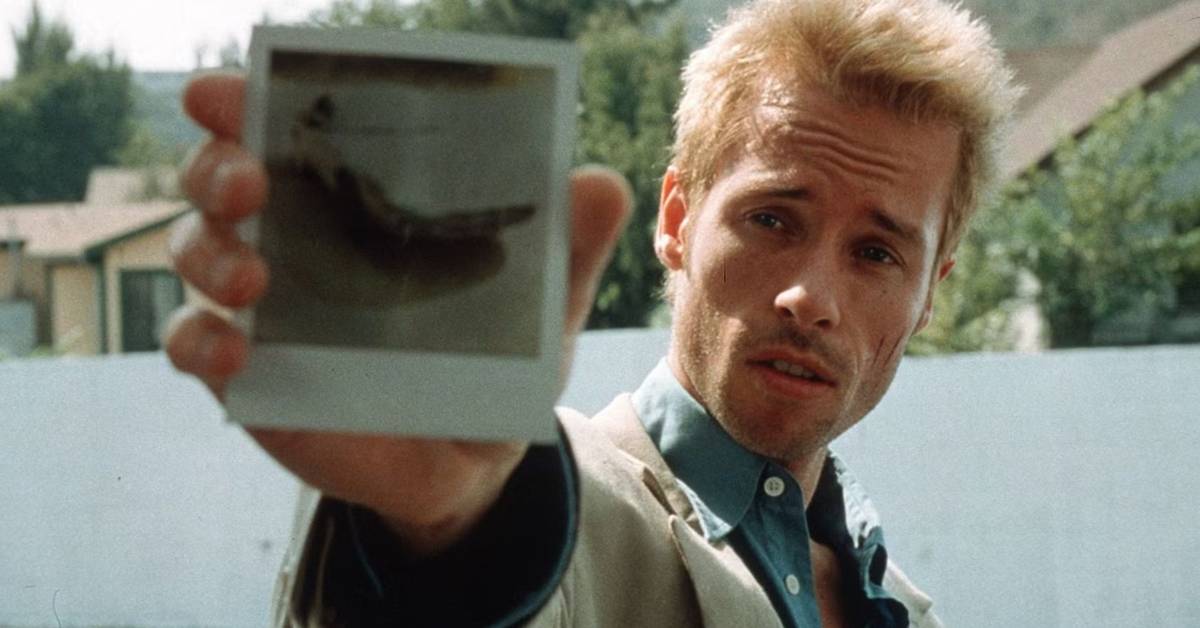
The article examines how some thriller films “fool” audiences by providing enough information to appear fair while steering viewers toward the wrong interpretation—especially when the protagonist supplies the perspective. It argues that the central character’s lies shape the entire viewing experience and can blur the line between deception and self-preservation. The writer highlights that the best twists work on a retrospective rewatch, turning earlier details into evidence. Examples discussed include The Machinist (2004), where Trevor Reznik’s belief in Ivan is supported by seemingly objective cues like a photograph, and Secret Window (2004), where Mort Rainey’s emotional reliability makes his story persuasive even as factual accuracy becomes doubtful.
 xCruzo