Cell Village" Platform Uncovers Genetic Drivers of Brain Growth
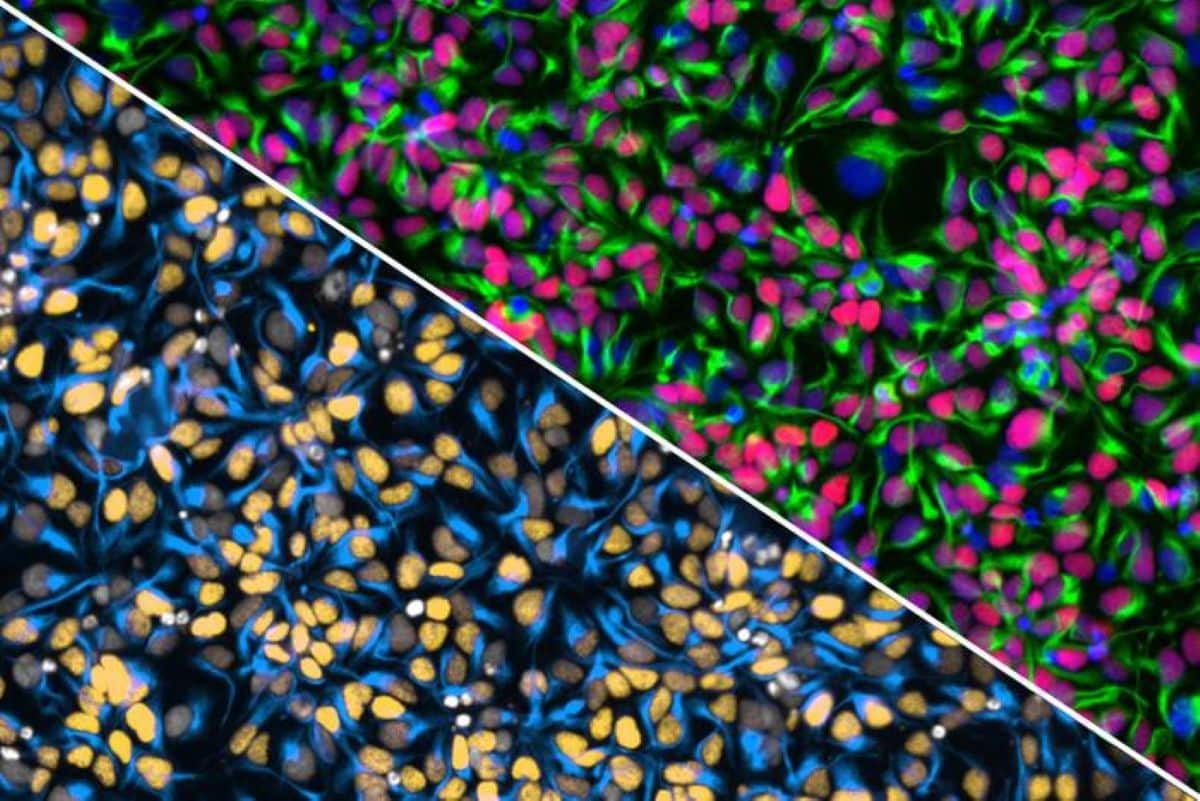
Researchers at UCLA introduced a pooled culture method they call a “cell village,” paired with a statistical framework named Townlet, to assess cellular fitness across many human genetic backgrounds. Instead of growing each donor’s neural progenitor cells separately, dozens of genetically distinct donors’ cells are combined into a single shared well to reduce batch effects and environmental noise. Townlet helps distinguish mathematical “compensation” from genuine biological expansion or death when sequencing produces proportional composition changes. In an American Journal of Human Genetics study, the team analyzed 16p11.2 deletion carriers versus controls and found the deletion intrinsically accelerates division, linking it to early brain overgrowth and macrocephaly in autism. They also mapped proliferation regulation near ZFHX3 and tested lead toxicity, implicating a locus near ARNT2 in donor vulnerability.
 xCruzo