Chinese transplant patients reveal how symptoms reshape eating and recovery
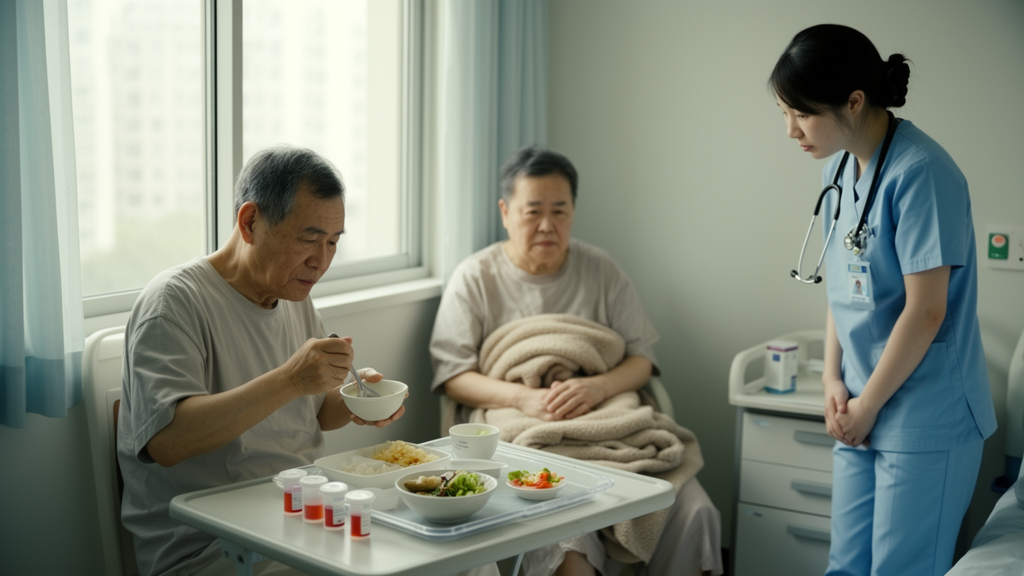
A qualitative study of 16 Chinese patients recovering after hematopoietic stem cell transplantation found that nutrition during inpatient treatment often felt less like a path to rebuild strength and more like a constrained effort to eat only what the body could tolerate. Conducted at a single tertiary teaching hospital from February to June 2026, the research used semi-structured interviews to explore experiences with nutrition management. Although most participants viewed nutrition as important for strength, treatment tolerance, and recovery, many had low expectations that hospital nutrition could improve outcomes. Dietary restrictions narrowed choices for everyone, including limits on rich or strongly “tonic” foods such as eel, soft-shelled turtle, and ginseng, plus restrictions on certain fish, seafood, and spicy dishes. Patients described reduced control over what and when they could eat due to constant clinical interruptions, intravenous infusions, toileting demands, and poor sleep. The findings underline how inpatient transplant demands can make eating recommendations difficult to follow, even for motivated patients.
 xCruzo