Life Keeps Us Alive: The Startling Biochemical Ties That Bind Human Bodies
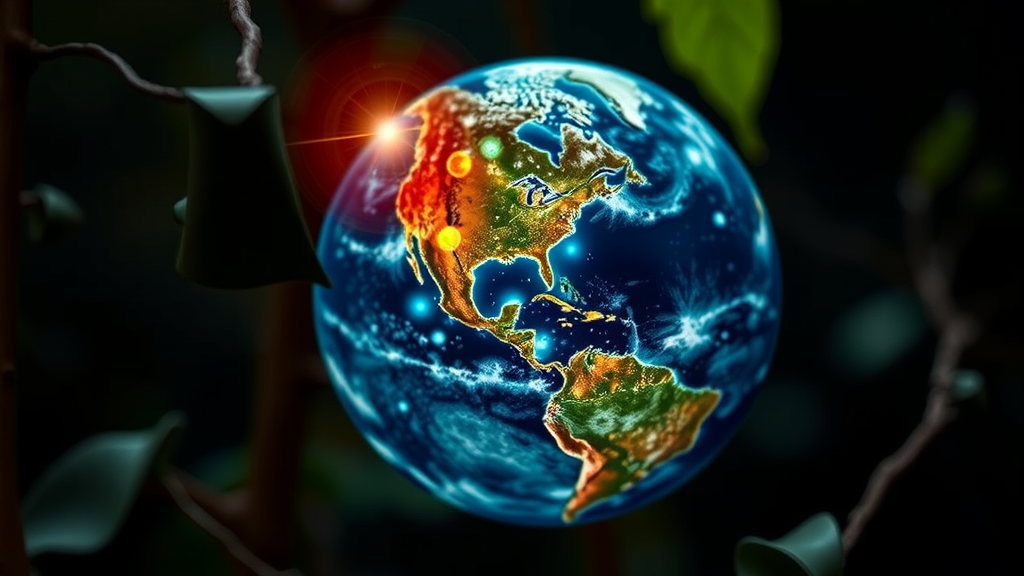
A synthesis published in the journal Ambio argues that human life is chemically entangled with the ocean and Earth’s long-term biogeochemical cycles. The paper, positioned as a landmark perspective on the Anthropocene, led by Carl Folke of the Anthropocene Laboratory at the Royal Swedish Academy of Sciences, says “people and nature” are not just linked philosophically but through continuous exchange of elements mediated by living organisms. It notes that the human body contains at least 60 detectable chemical elements, with about 20 essential for basic metabolism; oxygen, hydrogen, nitrogen, carbon, calcium and phosphorus make up 99% of body mass. The article also highlights the gut microbiome as a key interface, describing how microbes—descendants of ancient sulfur- and nitrate-using metabolisms from early Earth—ferment dietary fiber into short-chain fatty acids such as butyrate, a major energy source in the intestine.
 xCruzo