Microfluidic Chip and Deep Learning Join Forces to Catch Rare Tumor Cells
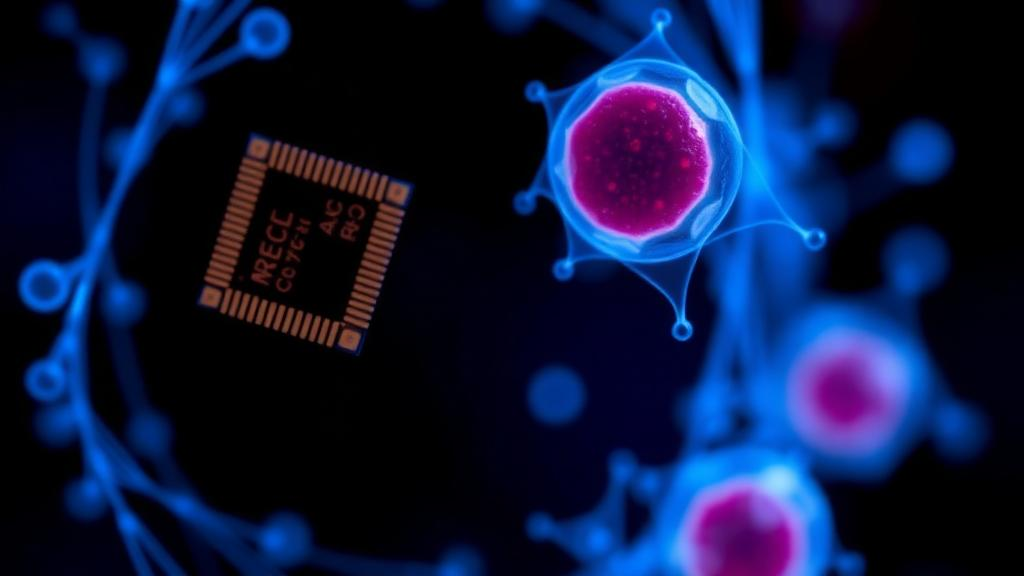
A research team in China has combined a label-free microfluidic chip with deep learning to detect rare circulating tumor cells (CTCs) in blood, addressing a major bottleneck for liquid biopsy. Writing in Biomedical Analysis, the group—led by Professor Xiaochun Li at Taiyuan University of Technology with Director Lizhong Zhang of Shanxi Bethune Hospital—describes a proof-of-concept platform that pairs a microfluidic enrichment stage with an AI model. Tumor cells are extremely scarce (as few as 1–10 per milliliter amid up to a billion blood cells), making traditional antibody-based capture, such as EpCAM targeting, vulnerable to tumor marker diversity. The platform’s chip instead exploits intrinsic physical differences like cell size and deformability, reducing the risk of missing CTC subtypes that lack typical markers.
 xCruzo