Montana DEQ works toward impairment designation for Big Hole River
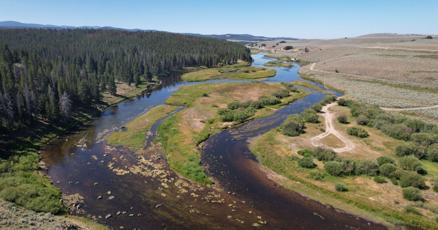
Montana DEQ is moving toward an impairment designation for the Big Hole River as harmful algae growth becomes a central concern. At an open-house meeting in Divide on Tuesday, the Montana Department of Environmental Quality said the blue-ribbon fishery is struggling due to ecologically detrimental nutrient loading. In its discussions, DEQ ties the problem to eutrophication, linking excess nitrogen and phosphorus to algae blooms, oxygen depletion, and risk to fish and aquatic life. The agency’s water-quality division head, Andy Ulven, said a eutrophication listing would “formalize” an issue on the river’s mainstem, but the proposal is still in draft and a final decision is not expected until at least 2027. DEQ water-quality monitor Darrin Kron said the designation would trigger regulations and Total Maximum Daily Loads (TMDLs) to cut pollutant inputs, potentially including nitrogen, phosphorus, and temperature-related standards. Ulven also expects the ruling could unlock more conservation funding, while local groups may pursue measures such as willow planting and nutrient interception before runoff reaches the river.
 xCruzo