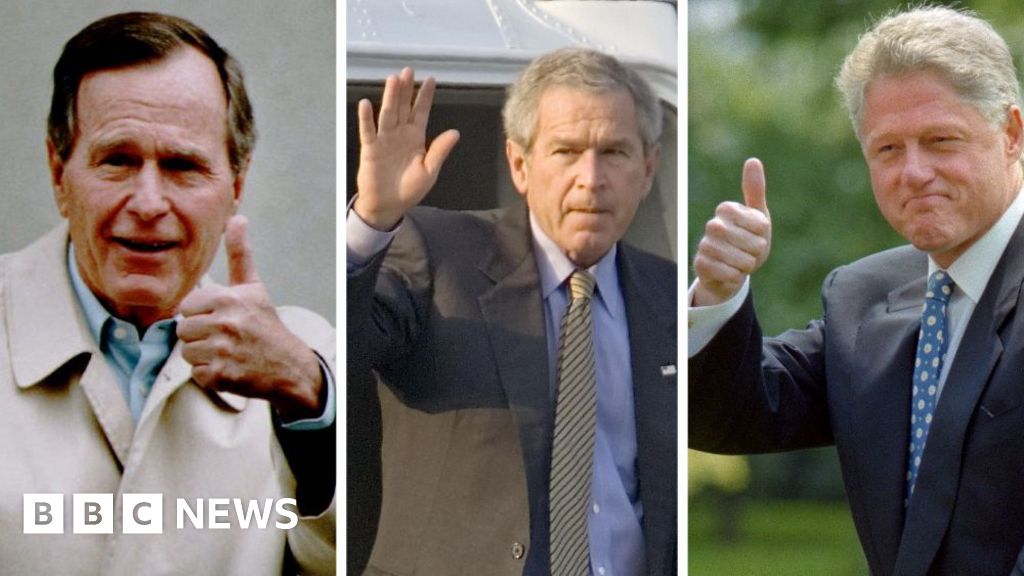
Medical or a PR exercise? Why presidents get annual check-ups
Presidential health checks function as both status reports and political messaging, a dynamic highlighted by every modern president’s annual medical exam. Biden, then 81 and the oldest president in U.S. history, joked that people think he looks too young after his latest check-up. The public and media scrutiny of medical records has grown into a distinctly American phenomenon, linking perceived vitality to political strength. Although the White House notes privacy protections shield presidents from mandatory disclosure, the debates over transparency persist. Trump, just under three weeks from turning 80, was described by his doctor as in excellent health, with advice to exercise more and lose weight. The memo cited strong cardiac, pulmonary, neurological and overall physical function, and stated he remains fully fit to carry out all duties of the commander-in-chief. Historically, public disclosure of presidential health has evolved from near-total secrecy before television to formal public reports beginning in the 1960s, reflecting shifting norms. Wilson’s 1919 stroke, FDR’s polio-related mobility, Johnson’s era of more openness, and Ford’s push for public medical information illustrate the long arc of health transparency.