Rat Study Reveals How Dietary Protein and Estrogen Govern Liver Energy
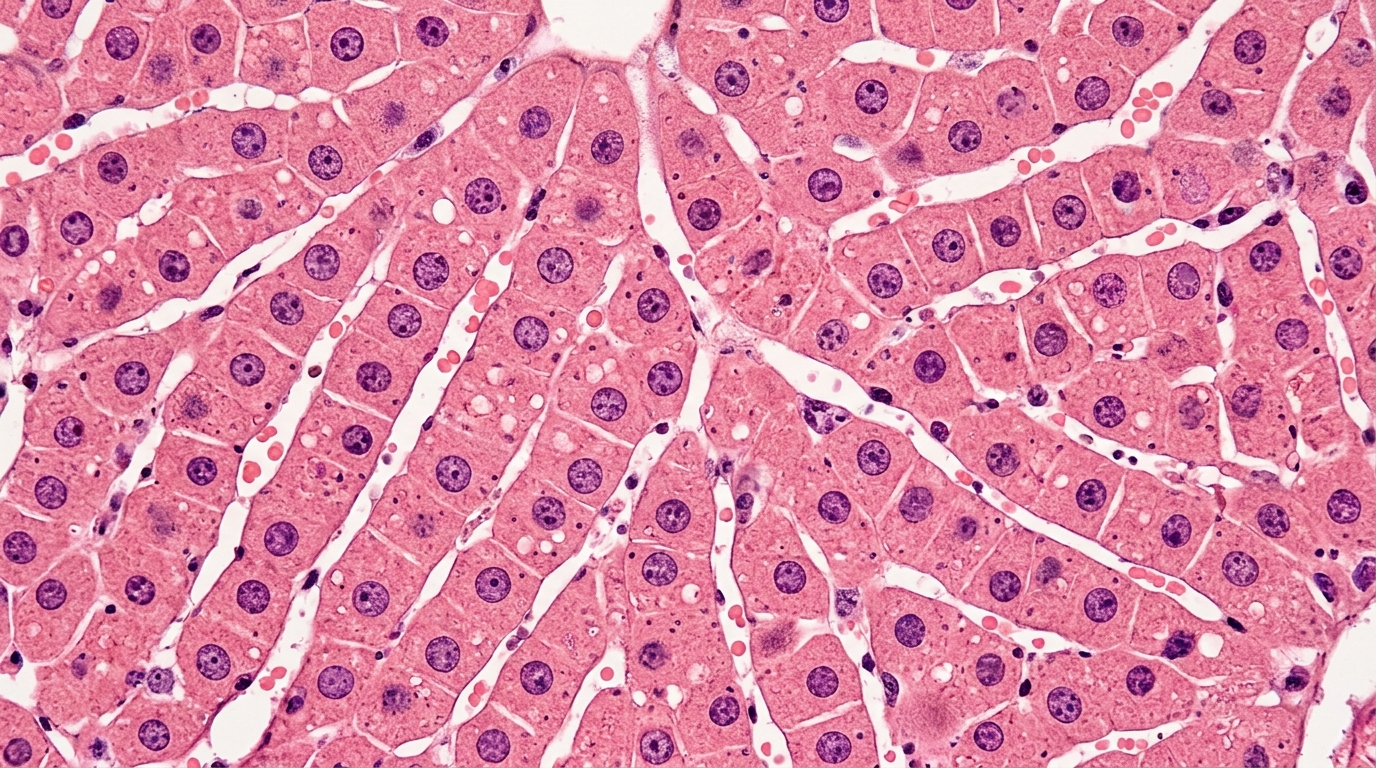
A 30-day controlled dietary study in adult male and female Wistar rats finds that hepatic energy partitioning depends largely on how nutrients break down into specific carbon skeletons. Researchers report that, to divide incoming energy effectively, roughly half of total intake needs to come from complex carbohydrates such as polysaccharides. Dietary amino acid catabolism produces four- and five-carbon fragments that replenish Krebs cycle intermediates, supporting complete mitochondrial oxidation of two-carbon acetyl units derived from digested carbohydrates and fats. The study also links adequate protein consumption to reduced excessive liver lipid storage by driving two-carbon oxidation rather than lipogenesis. When carbohydrates are supplied in excess, surplus hexoses can be diverted into de novo lipogenesis and triglycerides, raising risk for fatty liver and insulin resistance.
 xCruzo