The best fabric for extreme heat? It's more complicated than you think
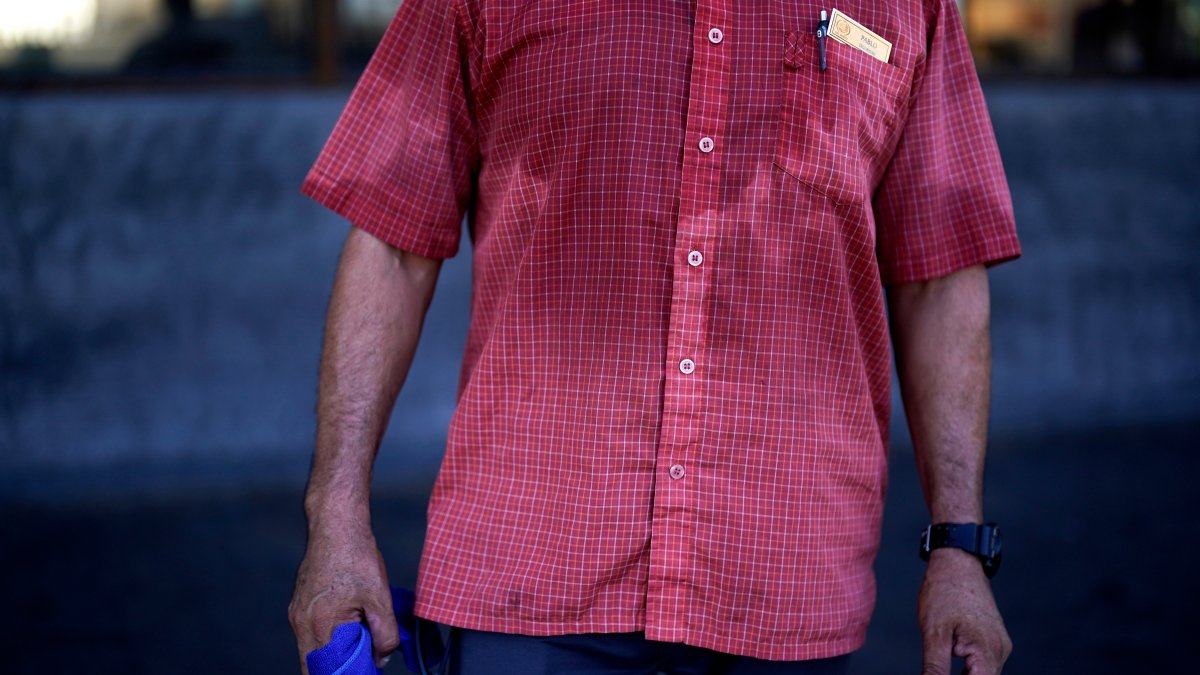
Choosing clothing for extreme heat isn’t as simple as wearing something light. Researchers say effectiveness depends on air permeability, fabric construction, weight, color, fit, and even what activity someone is doing or how much they’re sweating. Environmental physiology professor George Havenith of Loughborough University emphasized that the key is not to hinder sweat evaporation, since sweat is the body’s major temperature-defense mechanism. For airflow, studies point to lightweight, breathable garments with open weaves or loose knits and without water- or soil-repellent finishes; cellulosic fibers such as cotton and flax (linen) are often cited. Wicking fabrics can move sweat away from the skin, but that cooling isn’t always direct. Fit also varies by use—tighter for exercise, looser for casual settings.
 xCruzo