Can the US learn lessons from Brexit's impact on the UK economy?
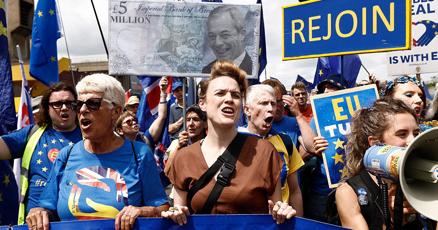
Brexit’s 10-year impact on the UK economy is being revisited as the U.S. weighs what lessons to draw, following a decade marked by political churn and economic strain. The departure from the EU was driven by populist momentum and claims of a “Global Britain” that would cut immigration, curb bureaucracy, and restore budget and regulatory control. Instead, the UK faced lower growth, higher inflation, and deteriorating public services, alongside a volatile leadership cycle that included David Cameron, Theresa May, Boris Johnson, Liz Truss, Rishi Sunak and Keir Starmer, who resigned after less than two years in office. Economists had not seen an immediate recession, but the pound fell about 10% after the referendum, import prices rose, and trade barriers hit exports. Estimates cited include investment around 18% lower and productivity about 4% weaker than a post-EU plan would have delivered, with the Office for Budget Responsibility projecting a 4% hit to national income over 15 years. A U.S. NBER report also says GDP per person is 6% to 8% lower than it would have been without Brexit.
 xCruzo