WarshNomics: Massive QE's and Marginal Rate Hikes
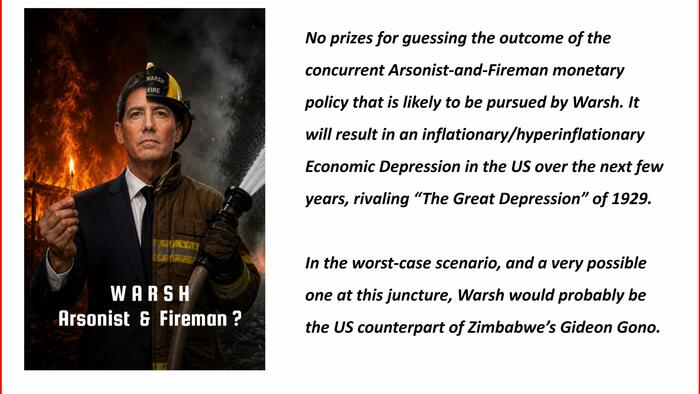
“WarshNomics: Massive QE's and Marginal Rate Hikes” argues that a combination of quantitative easing (QE) and interest-rate increases is the most likely path for the US Federal Reserve, despite conventional objections. The article explains that QE expands the Fed’s balance sheet through purchases of Treasuries and other assets such as mortgage-backed securities, while rate hikes are typically viewed as tighter policy that could shrink money supply by raising borrowing costs. It counters that the key variable is the real interest rate—after adjusting for inflation—rather than the nominal rate. The piece says US national debt is on track to rise by $2.4 trillion over FY2025–26, while real rates are negative even using a low inflation estimate of 4%. It adds that FY2026–27 will require refinancing about $8.25 trillion in maturing federal debt, with more than $5 trillion needing new buyers if the Fed-held portion is excluded. It frames this as a reason QE may remain part of the solution and suggests future QE could be driven by bursting US asset bubbles.
 xCruzo




:max_bytes(150000):strip_icc():focal(749x0:751x2)/David-Beckham-England-New-York-New-Jersey-Stadium-062826-51ea455c41454cf89f43c689570b2751.jpg)