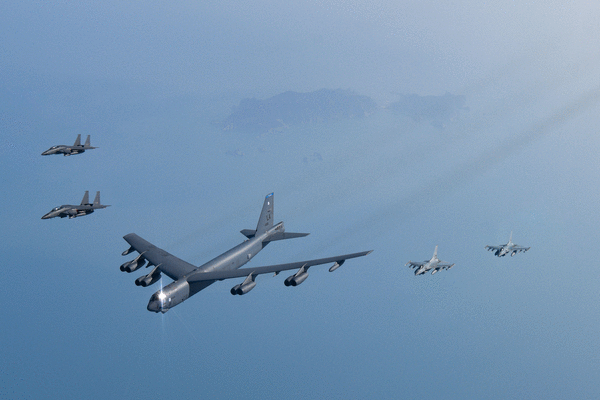
The B-52 bomber is an iconic, aging warhorse. Probe of fatal crash could influence its future
An Edwards Air Force Base crash involving a B-52 Stratofortress killed eight people shortly after takeoff, triggering a formal inquiry by an Air Force Interim Safety Investigation Board. The bomber, described as the backbone of the service's manned bomber force, remains in active service seven decades after its 1950s debut, with regular upgrades planned. Investigators will review the aging fleet and any recent upgrades to determine the cause and potential fleet-wide implications for operations and readiness. The Air Force is pursuing modernization efforts, including testing a new radar system and updating era-specific engines, as part of a broader strategy to extend the aircraft's service life. Experts warn that equipment from the Cold War era wears out with time, prompting questions about structural longevity and mission suitability through the 2050s. Douglas Birkey of the Mitchell Institute noted the math of aging airframes, while retired pilot Ross Aimer stressed that ongoing maintenance can prolong life but also introduces new failure points requiring scrutiny. The investigation will span the entire heavy-bomber fleet, weighing past upgrades against future needs in a rapidly modernizing battlefield landscape. Regardless of the immediate cause, the crash accelerates debate about whether the B-52's capabilities justify continued investment or a transition to newer platforms.