The Caspian Sea has lost an area nearly the size of Sicily: human activities are a major reason why
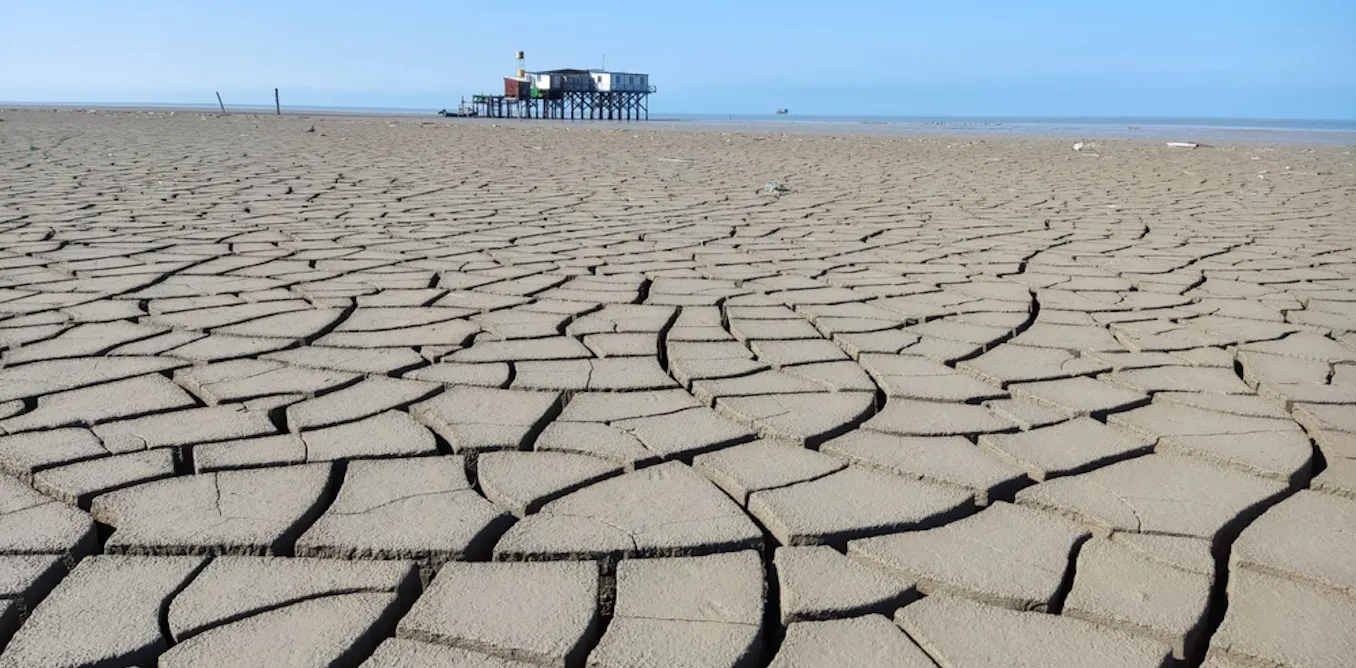
The Caspian Sea has lost an area nearly the size of Sicily, and the study behind the finding says human activity is a major driver of the shrinkage rather than a natural cycle. Researchers report that, over the past three decades, inflow into the Caspian has fallen sharply, based on satellite observations and river hydrology records from Iran, Russia, Turkmenistan, Azerbaijan and Kazakhstan. The Volga Basin supplies roughly 80% of the sea’s inflow, and rainfall there has slightly increased, while evaporation has risen with higher regional temperatures. Evaporation since the mid-1990s explains only about 40% of the water loss; the rest points to dams, reservoirs, irrigation, industrial use and navigation systems. The Volga-Don canal system is highlighted as diverting water away from the Caspian. Since the mid-1990s, the sea has lost about 24,000 km² and levels have dropped roughly two metres, with faster drying in the northern sector, affecting fisheries and sturgeon spawning.
 xCruzo