NASA races to save Swift telescope from falling back to Earth with daring rescue mission
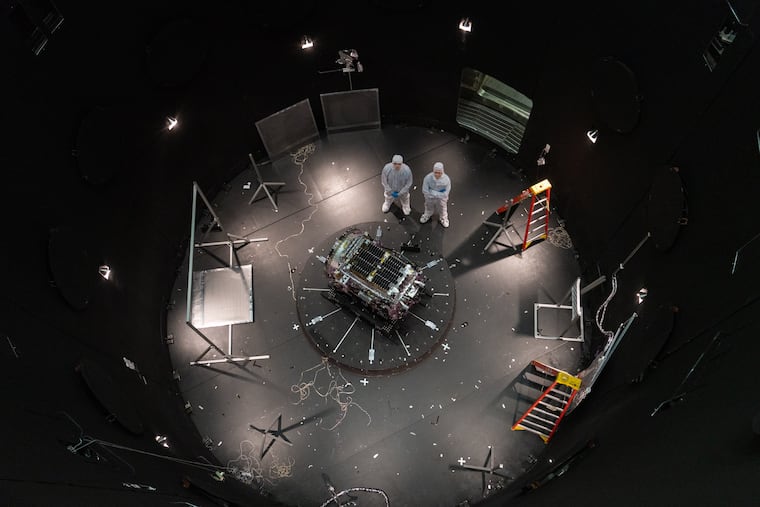
NASA races to save Swift telescope from falling back to Earth with daring rescue mission as the agency prepares a $30 million salvage operation using a robotic spacecraft. The plan is to launch Link, built by startup Katalyst Space Technologies, as early as Tuesday aboard a Pegasus rocket from an atoll in the Marshall Islands, following an airplane-launched setup. Swift, which has been observing since 2004, is losing altitude faster due to recent intense solar activity and must reach a more stable orbit to continue operating. Link is expected to rendezvous after about a month, then raise Swift’s orbit from 224 miles to a target of 373 miles over additional months; the rescue requires Swift to be above 185 miles. NASA estimates Swift will reach a “point of no return” in October, with hopes of restarting by September if successful. Hubble could be next, while only China has previously performed a comparable boost maneuver. Katalyst’s CEO said the mission is the first American space robot for such operations.
 xCruzo