How Americans heated and powered their homes across 250 years
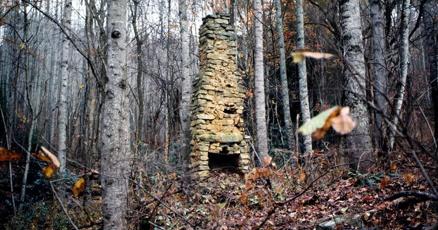
How Americans heated and powered their homes across 250 years traces how U.S. home energy use evolved with the nation’s growth while keeping the same basic goal: staying warm and keeping lights on. The piece says that in colonial times, massive central chimneys dominated heating, with about 90% of heat rising up the flue. A typical household used 30 to 40 cords of firewood annually for heating and cooking, while families often limited themselves to one or two rooms in winter, contributing to deforestation by the mid-1700s. In 1742, Benjamin Franklin designed a freestanding cast-iron stove—the Pennsylvania Fireplace—selling for 5 Pennsylvania pounds in Philadelphia, and later influencing designs abroad. Before electricity, homes relied on tallow candles and, for wealthier households, spermaceti from sperm-whale oil, supported by early whaling fuel supply chains. The article notes that kerosene expanded after Edwin Drake struck oil in Titusville, Pennsylvania on Aug. 27, 1859, boosting the town’s growth and reducing dependence on whale oil.
 xCruzo