Know How to Solve the Housing Crisis. We Just Have to Remember.
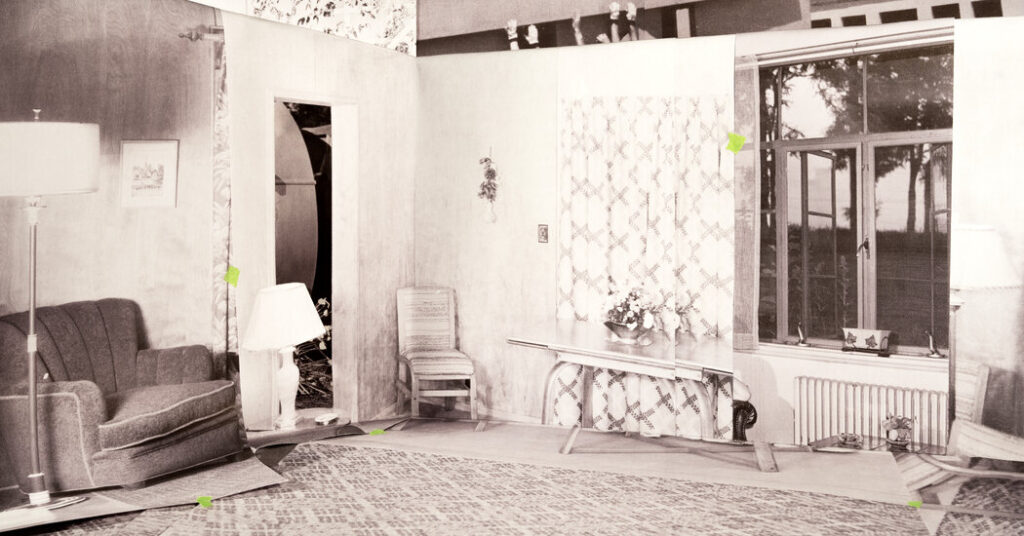
The piece argues that U.S. housing shortages persist partly because policymakers focus too narrowly on local zoning and regulatory tweaks, betting that deregulation alone will spur enough construction. It notes that even the bipartisan 21st Century ROAD to Housing Act, passed recently, largely centers on streamlining rules to encourage private building. The author contrasts today’s approach with how the U.S. responded to housing crises during and after World War II, when the federal government treated housing as critical infrastructure—reforming mortgage markets, subsidizing rental housing, capping rents, testing prefabrication and even directly building. It cites bubble-house construction in Virginia and, in Pittsfield, Massachusetts, a Federal Works Agency project involving Frank Lloyd Wright’s cloverleaf design—four-apartment structures using low-cost, prefabricated materials—before discussing local objections.
 xCruzo