How The McDonnell Douglas MD-11's 3-Engine Design Created Handling Problems That Ended Its Passenger Career
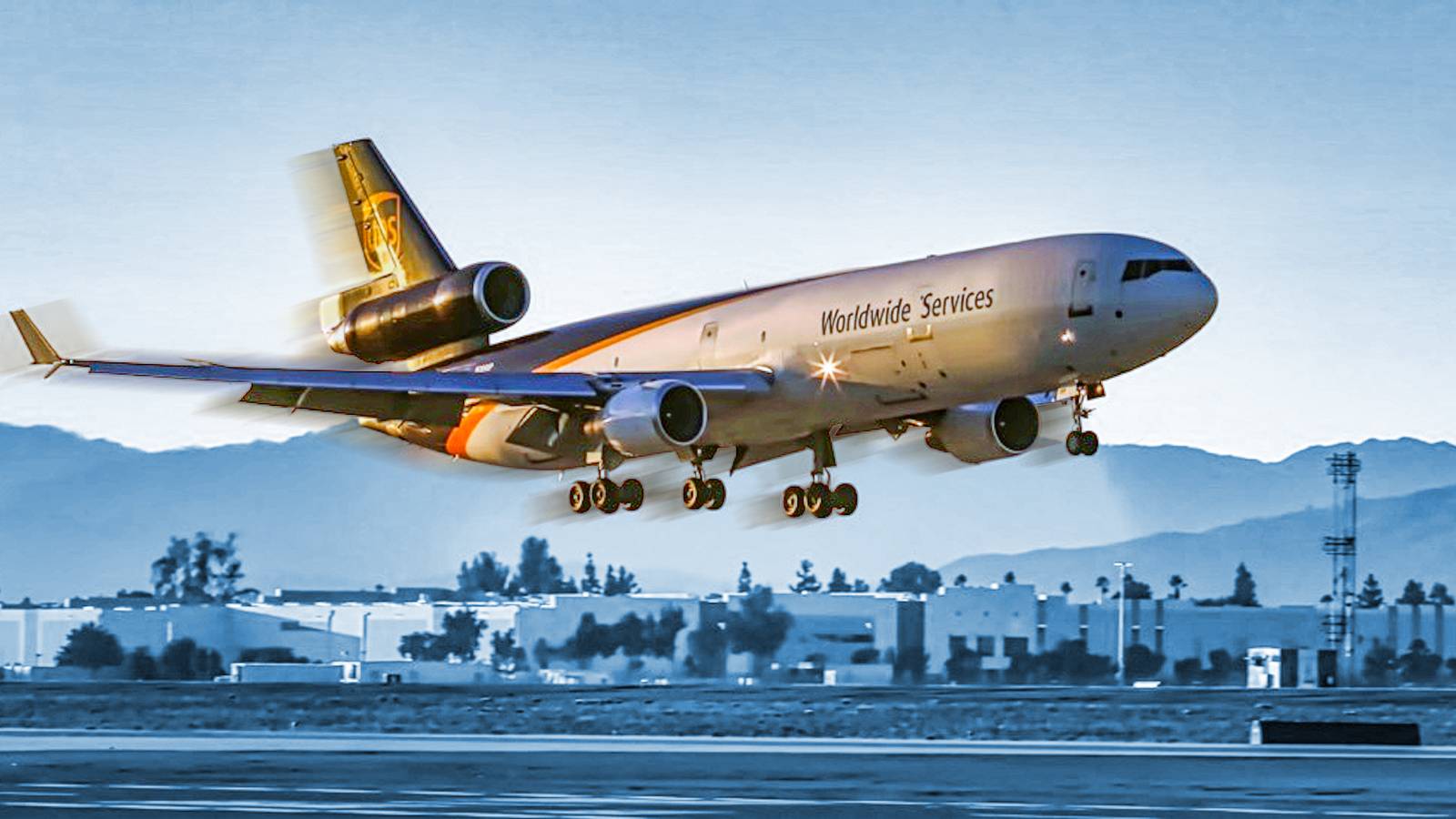
The McDonnell Douglas MD-11’s three-engine design is credited with handling and stability issues that contributed to the jet’s short-lived passenger career. Entering airline service in 1990 as an advanced derivative of the DC-10, the MD-11 was positioned to compete long term with twin-engine widebodies from Boeing and Airbus, while retaining the distinctive trijet layout. The aircraft received aerodynamic and flight-control changes aimed at improved performance, but the updates required greater precision during critical phases, especially landings, and were associated with high-profile accidents. The article says the three-engine configuration was not the sole cause, but modernization introduced aerodynamic compromises that differentiated it from both its predecessor and competitors. As nearly every passenger operator retired the type within two decades, the MD-11 gained a second life as a freighter.
 xCruzo

![Hour Flights: Southwest Airlines Launches Exciting New Route To Hawaii In August [Map]](https://static0.simpleflyingimages.com/wordpress/wp-content/uploads/2026/06/imua_one_departs_santa_barbara_-53981372594-_cropped.jpg?w=1600&h=900&fit=crop)