Why The Boeing KC-46 Still Has Refueling Limitations With Several USAF Aircraft
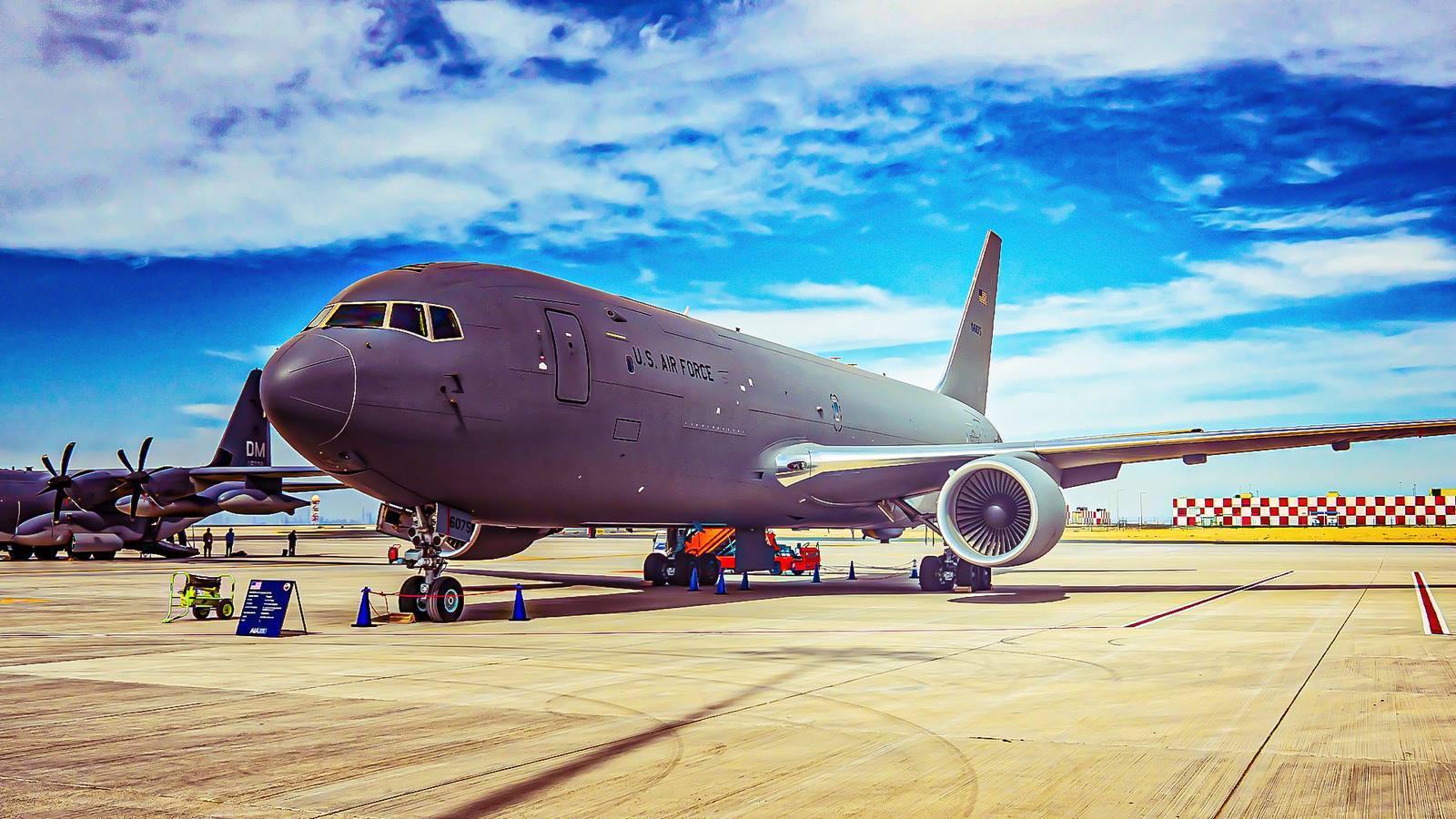
Why The Boeing KC-46 Still Has Refueling Limitations With Several USAF Aircraft focuses on why the KC-46 Pegasus, despite becoming a widely used aerial-refueling tanker, cannot safely support every aircraft in the U.S. Air Force inventory. More than a decade after Boeing won the KC-X competition, the KC-46 has flown combat support missions across Europe, the Middle East, and the Indo-Pacific, and over 100 examples have entered USAF service. However, the article highlights operational incompatibilities driven by two separate issues—one mechanical and one visual—that affect how certain aircraft interact during refueling contacts. It cites a Government Accountability Office report stating the KC-46’s original boom actuator design required about 1,400 pounds (635 kg) of axial force to compress and maintain a stable connection. The A-10 Thunderbolt II cannot generate enough forward thrust—about 650 pounds (295 kg)—to keep that rigid boom compressed. It also notes concerns about crews for aircraft such as Lockheed Martin’s F-22 Raptor and Northrop Grumman’s B-2 Spirit scraping radar-absorbent skin during refueling. The article references the Boom Telescope Actuator Redesign as a planned fix.
 xCruzo