Could shellfish farming fix Florida's algal bloom problem?
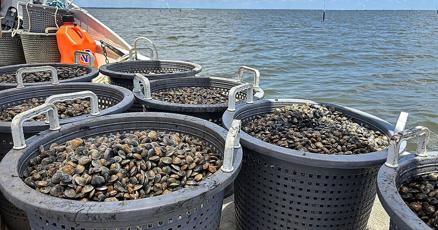
Florida’s recurring harmful algal blooms, including the notorious red tide, are increasingly linked to nutrient runoff from fertilized farmland and coastal residential areas. The article cites Florida Department of Environmental Protection data indicating 86% of the state’s watersheds have areas affected by nitrogen pollution. Blooms reduce oxygen and block sunlight, harming marine life, and red tide has caused major economic damage—most notably in 2018, when it affected nearly 1,000 miles of coastline from Pensacola to Port Canaveral and cost $2.7 billion in lost tourism and recreation. New NOAA research points to worsening conditions, with shellfish farming proposed as a mitigation tool: oysters and clams filter over 50 gallons of water per adult oyster per day.
 xCruzo