From Prototype to Production: How DFM Reduces Cost and Risk in CNC Machining
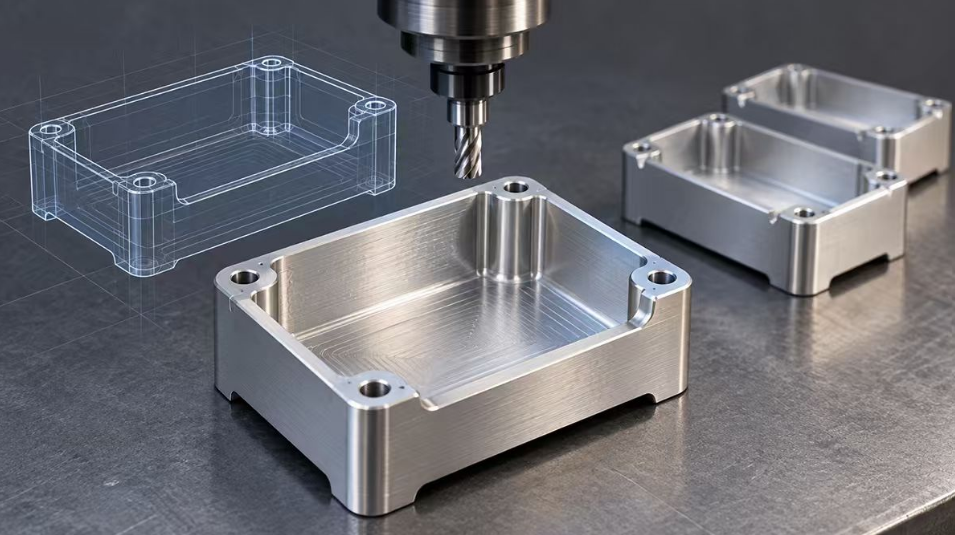
The article explains how Design for Manufacturability (DFM) can cut cost and reduce risk in CNC machining by addressing manufacturing constraints before cutting begins. It describes how design choices affect everything from toolpath programming and cutter selection to workholding, finishing, and inspection methods. It highlights that geometry drives machining time and lead time—narrow pockets may require smaller tools, multi-face features may need repeated repositioning, and demanding surface finishes can add passes or extra processes. The piece argues that tolerances must match function: overly tight limits can increase finishing work, require controlled measurement, and raise rejection risk. It also points to common problematic features like deep pockets, thin walls, and internal corner radii, and how DFM can revise them.
 xCruzo