California's salmon fishery is reopening after a population crash and 3-year closure, but that doesn't mean all is well
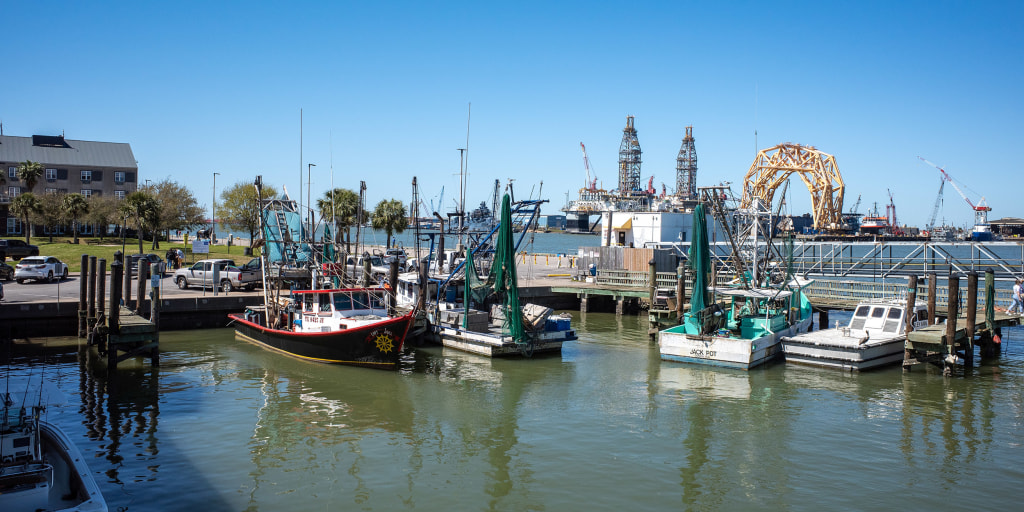
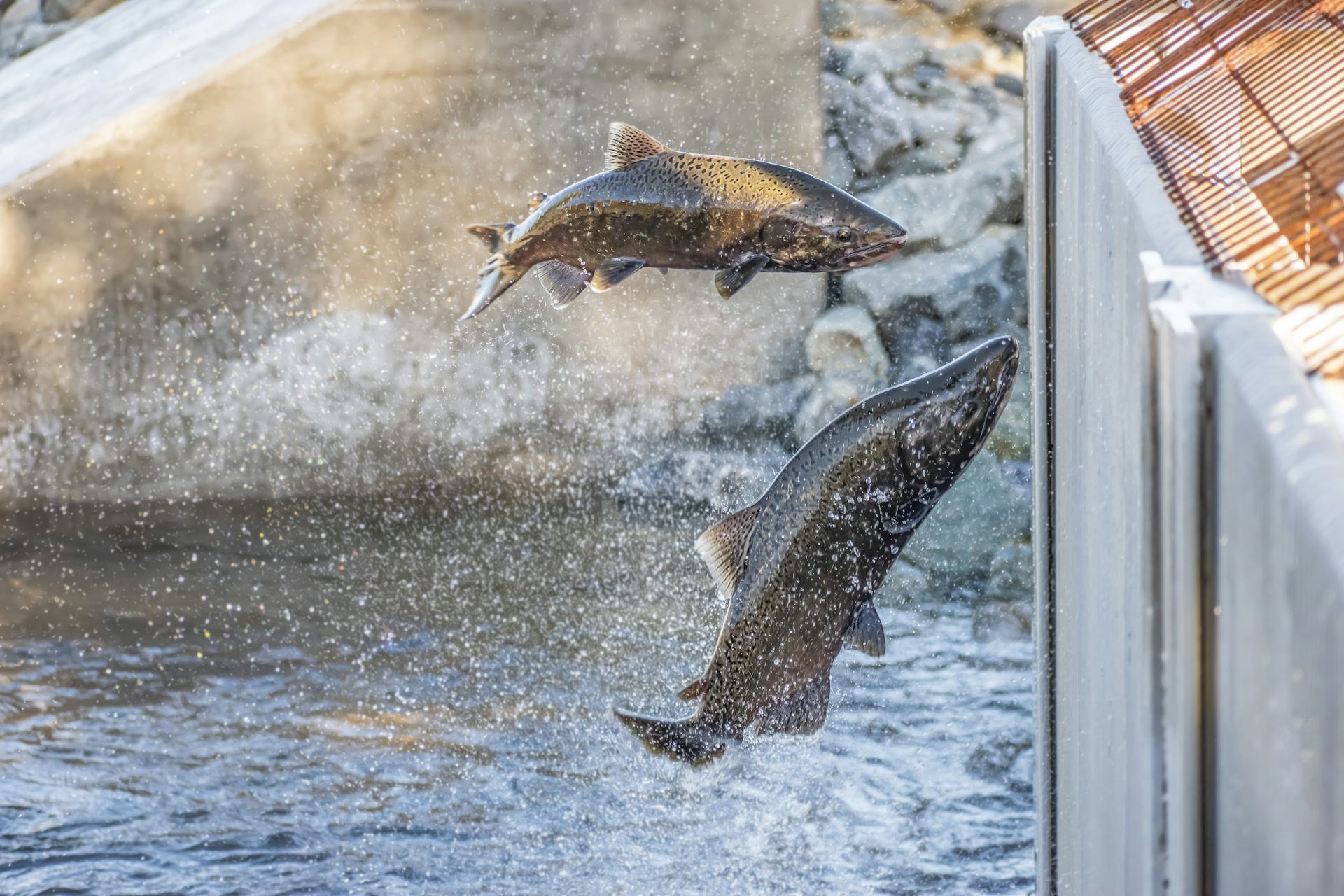
California’s ocean salmon fishery reopened in May 2026 for the first time in three years after a population crash forced a statewide closure. Commercial boats are pulling salmon from Bodega Bay to Morro Bay, and salmon are reappearing on restaurant menus and in markets. The reopening is phased and limited under the Pacific Fisheries Management Council, which closed the fishery in 2023 after fall-run Chinook salmon collapsed. The drought of 2020-2022 reduced river flows and heated waters, harming salmon survival. But experts note that the decline began long before drought, with habitat fragmentation, water management, and hatchery practices eroding resilience. The state has studied how changing fish ecology could inform a more resilient system that can withstand climate shocks. Conservationists warn that without reforms to water policy, habitat restoration, and hatchery management, the rebound could be fragile. Historically, dams blocked access to spawning habitat, and ongoing habitat loss continues to constrain recovery. Policy makers must balance agricultural and urban needs with ecological conservation to sustain the fishery. While reopening signals cautious optimism, experts warn that gains could fade if underlying factors are not addressed.
 xCruzo