Ocean Biogeochemical Gradients Boost Seasonal Impacts of Marine Heatwaves
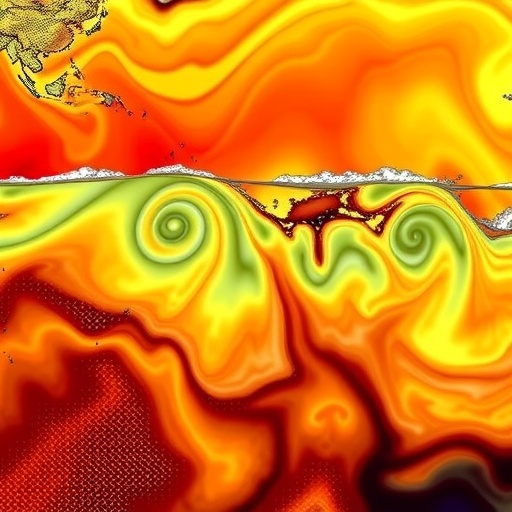
Ocean Biogeochemical Gradients Boost Seasonal Impacts of Marine Heatwaves highlights a study linking ocean chemistry and biology to how marine heatwaves intensify. Published in Communications Earth & Environment, the research says “biogeochemical gradients” can seasonally amplify the severity and duration of prolonged, anomalously warm water events. Led by Yang, Peng, and Shi, the team combined high-resolution oceanographic datasets with advanced climate modeling to analyze interactions between physical properties and chemical and biological processes. The findings indicate that gradients in nutrients, oxygen concentrations, and biological productivity interact with thermal structures, intensifying temperature anomalies in specific regions during particular seasons. During spring and summer, when primary productivity rises and oxygen levels fluctuate, impacts intensify along biogeochemical fronts where different water masses meet. The study warns this can worsen stress for marine organisms and contribute to coral bleaching, toxic algal blooms, and hypoxic zones that affect fisheries. It also argues the mechanism can improve where-and-when predictions and support more integrative climate models.
 xCruzo