Detroit got what it wanted from Trump -- then gas prices spiked

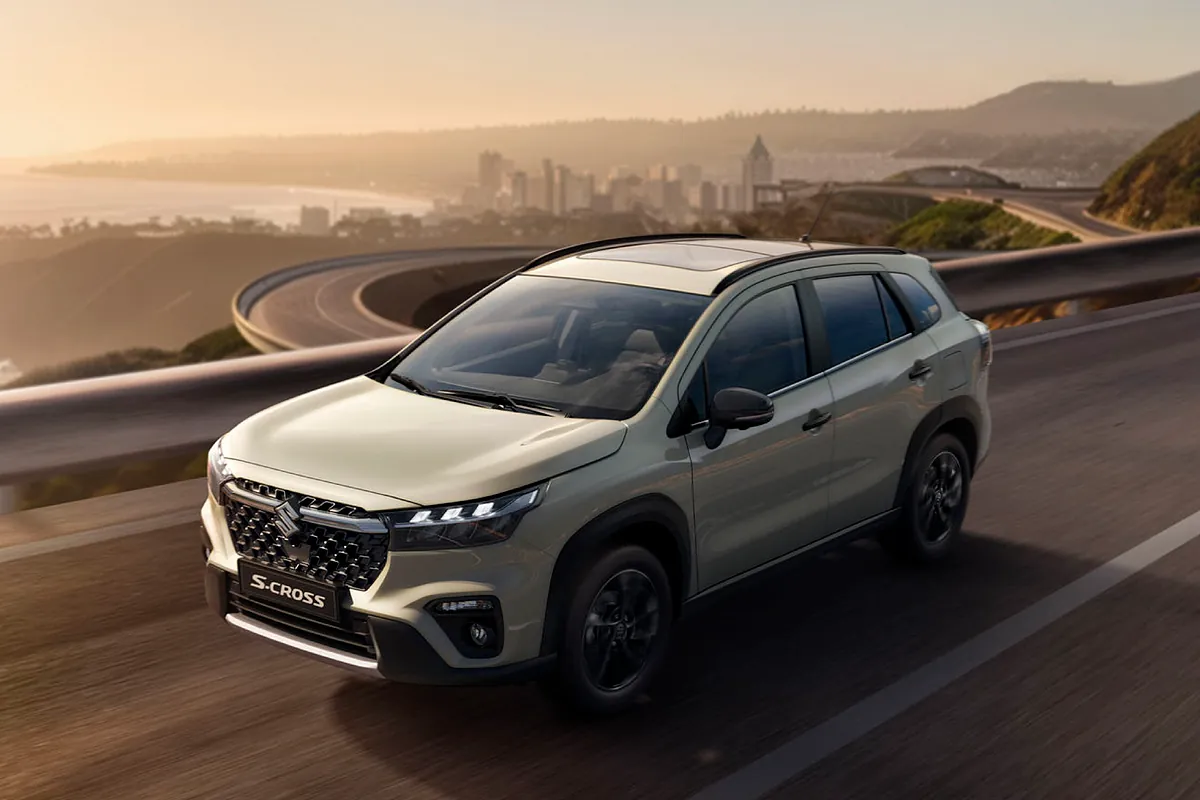
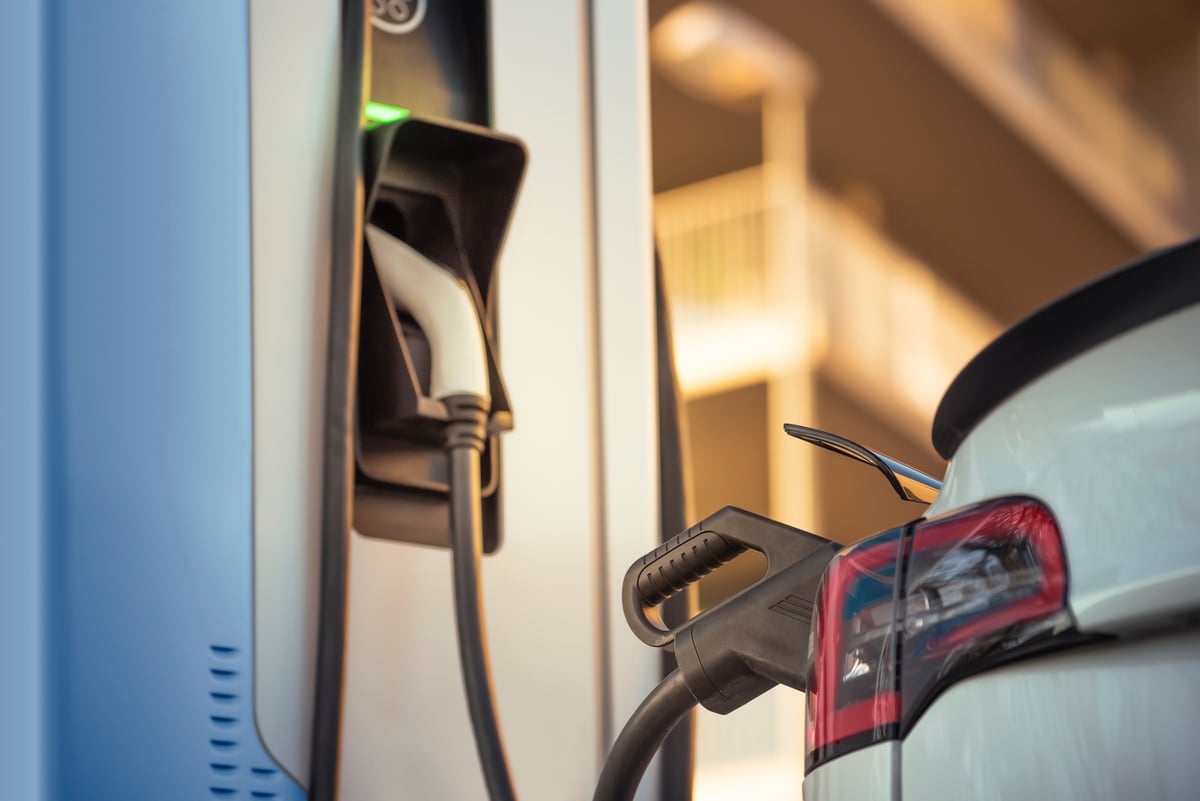
The US auto industry faces two concurrent pressures: geopolitical disruption linked to war in Iran that has driven spikes in gas prices, and emerging smaller EV makers offering fuel-efficient, cheaper trucks and SUVs. The article describes how, after fuel-economy rules and the EPA were created in the 1970s, Detroit automakers resisted downsizing and later lost sales to Japanese competitors. It now notes that trucks and SUVs make up nearly 80% of US vehicle sales, citing Cox Automotive, but warns the era of high-emission vehicles may be ending. It links changing consumer behavior to the February attacks on Iran, when gas prices rose and buyers appeared to shift away from pickups, even if the switch can lag. Competition is also intensifying with “boutique” EV startups, including Slate, which announced on June 24 that its pickup, the Blank Slate, would start at $24,950 and expects deliveries around December. Slate reports 180,000 reservations at $50 each, aiming at a market dominated by Tesla.
 xCruzo