EVs Really Are Better for the Planet Than Gas Cars, but Their Power Source Matters: Study
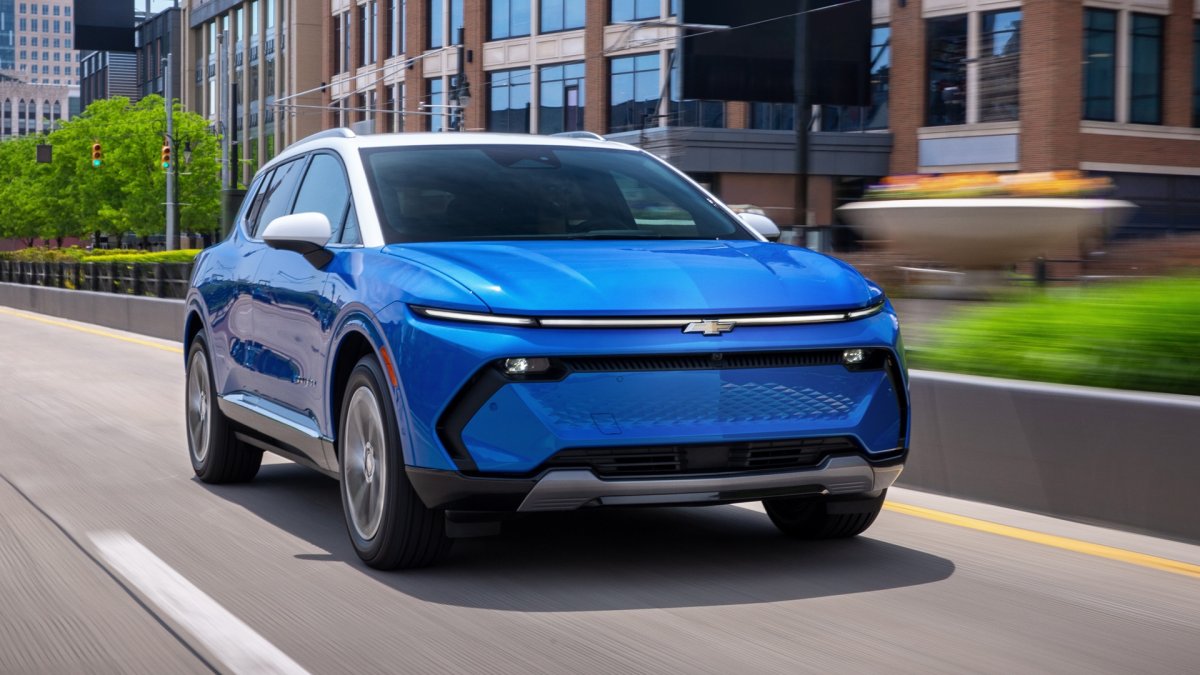
A study published in May in Environmental Research Letters argues that electric vehicles can deliver lower emissions than internal-combustion cars, while stressing that the electricity grid and driving patterns determine the size of the advantage. The headline finding is that EVs can cut emissions by 40-60% compared with combustion vehicles “in most locations,” but local electricity generation mix is described as the most important factor. Charging with coal increases EV emissions, while cleaner renewable grids lead to greater reductions, with the study stating that decarbonizing the electricity supply results in more uniform and larger benefits.
The article cites the Union of Concerned Scientists, which has tracked real-world U.S. EV emissions and reports that the average EV there has an emissions level equivalent to a 96-mpg gasoline car. It also finds that driving style matters: urban driving maximizes reductions more than rural. Under consistent urban driving, plug-in hybrids could achieve 80-90% of all-electric savings if regularly charged and driven in electric mode, dropping to around 60% in rural areas. It notes cost competitiveness in many places depends mainly on electricity versus gasoline prices, and mentions that a fleet with higher mileage and urban driving could need only 9% EV adoption for a 10% reduction, while rural-heavy fleets might require 42%.
 xCruzo