Records of Pompeii's survivors have been found - and archaeologists are starting to understand how they rebuilt their lives
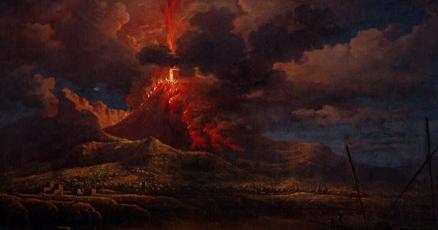
New findings challenge the long-standing view of Pompeii as a city simply erased by Vesuvius. The AD 79 eruption ejected more than 3 cubic miles of debris and hurled ash up to 20 miles into the sky. Pompeii, with about 30,000 residents, and Herculaneum, around 5,000, supported thriving industries, political networks, and coastal trade. The eruption lasted for more than 18 hours, a detail that informs why some communities endured long enough to escape. The eruption also altered trade routes and coastal economies in the region. Researchers, featured in an episode of the 2024 PBS documentary Pompeii: The New Dig, developed a method to identify survivors by matching unique Roman names to inhabitants of surrounding towns. After eight years and tens of thousands of inscriptions, they found evidence of over 200 survivors across 12 cities, primarily north of Mount Vesuvius outside the worst-destroyed zone. The findings suggest that many could have fled if they left early enough, reframing the eruption as a story of movement and adaptation as well as destruction. The work highlights how migration and infrastructure shifts shaped post-eruption lives.
 xCruzo