Studebaker Could Have Had Interchangeable Panels Years Before The Pontiac Fiero - Jalopnik
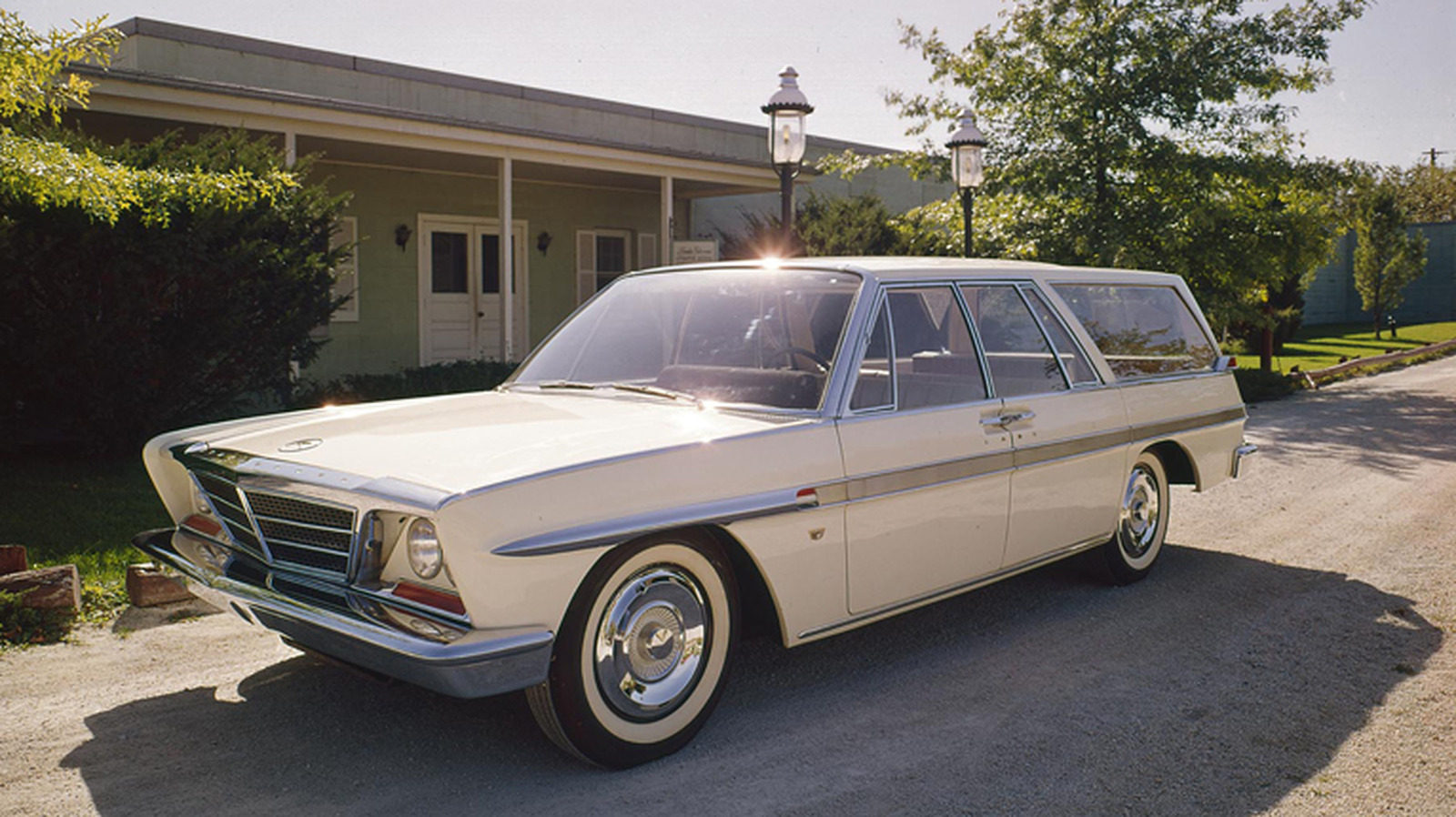
Interchangeable body panels could have reshaped Studebaker's fate decades before the Fiero, if leadership had embraced Brooks Stevens' concept for the Lark in the early 1960s. Stevens proposed a modular American subcompact that could be assembled from about ten fiberglass panels to form a sedan, a coupe, a wagon, or even a microbus, with windows, bumpers, and doors swapped as needed. The plan envisioned a build cost of roughly $585 and a sale price around $1,085, positioning the Lark as a budget rival to the Volkswagen Beetle and a potential money-maker for Studebaker's dwindling lineup. Historian Richard M. Langworth recounts the idea.
Stevens' plan would have required substantial retooling and a marketing shift for Studebaker, then centered in the Midwest. The Lark, assembled from ten fiberglass panels, aimed to deliver multiple body styles from a single platform, including a microbus variant, while keeping production costs comparatively low. Langworth notes the proposed price would be about $585 to build and $1,085 to sell, a strategy intended to position Studebaker against the Volkswagen Beetle and to supply a steady volume stream amid a challenging era for American compact cars. Although never built, it remains a remarkable automotive history 'what-if' about modular design.
 xCruzo