Diet, lifestyle, metabolic markers, and socioeconomic status are associated with cognitive function in school-aged children from a population-based cohort
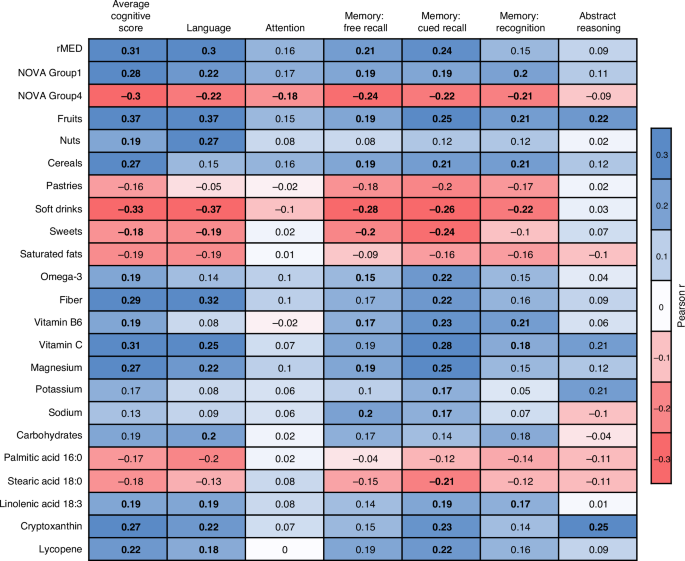
Diet, lifestyle, metabolic markers, and socioeconomic status are associated with cognitive function in school-aged children from a population-based cohort theme reflects findings linking everyday factors to cognitive performance. Using logistic regression, the study reports adherence to the Mediterranean diet (rMED) was significantly associated with higher cognitive performance (OR = 2.18, 95% CI 1.08–4.40, p = 0.02). Higher economic status also showed an independent positive association (OR = 2.50, 95% CI 1.13–5.49, p = 0.02), as did sleep duration (OR = 2.90, 95% CI 1.42–5.92, p = 0.003). In contrast, HOMA-IR, a metabolic marker of insulin resistance, was inversely associated with cognitive performance (OR = 0.47, 95% CI 0.23–0.96, p = 0.04). The article says these associations were domain-specific, particularly for attention, language, and memory, while abstract reasoning showed no clear link. It also summarizes broader literature connecting ultra-processed food intake to adverse health outcomes and poorer cognitive development in children.
 xCruzo



:max_bytes(150000):strip_icc()/GettyImages-1400419506-0a2de7a0b9b5426abeb50084e933ca30.jpg)